

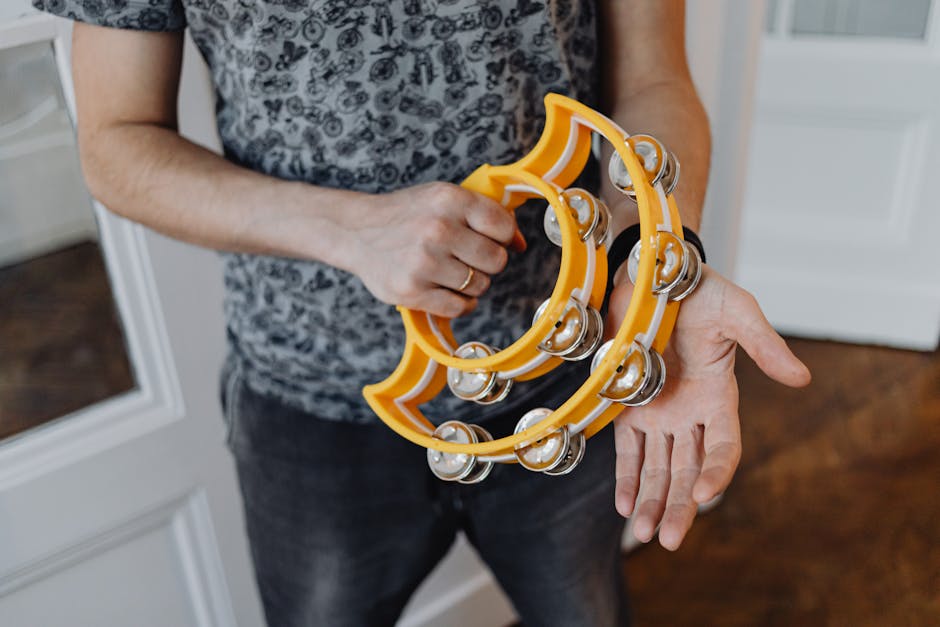
Music does not always start in a studio. Sometimes it begins right in your kitchen, your living room, or even your garage. From creative DIY percussion to viral homemade performances, turning simple objects into instruments has become a growing trend. If you want to explore more creative content and music-inspired ideas, you can check https://putlockerworld.com/ where entertainment and innovation meet in unexpected ways.
Turning ordinary objects into functional instruments
You do not need expensive gear to create sound. Many everyday items already have the basic qualities of an instrument. They can produce rhythm, tone, or vibration.
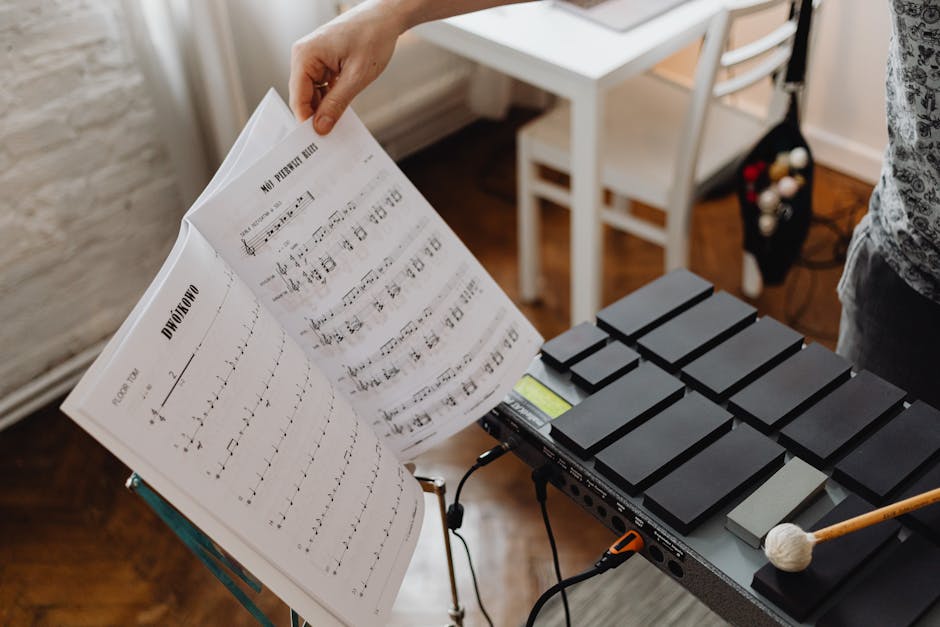
A simple example is a glass bottle. When you blow across the top, it creates a pitch. Change the water level, and the pitch changes. This is the same principle used in wind instruments.
Common household items that work as instruments:
- Pots and pans used as drums
- Glass cups filled with water for tonal variation
- Rubber bands stretched over a box to mimic strings
- Plastic containers as shakers
- Wooden spoons for rhythm tapping
Each item produces sound differently. What matters is how you use it. The shape, material, and tension all affect the final output.
Why this works in practice
Sound is created through vibration. When you hit, shake, or blow into an object, it moves. That movement creates waves that your ears interpret as sound.
You can test this easily:
- Tap a metal pot and compare it to a plastic bowl
- Shake rice in a jar versus beans in a jar
- Stretch rubber bands tighter or looser
Each variation creates a different sound profile. This is exactly how real instruments are designed.
The rise of DIY music culture and creative expression
Homemade instruments are not new. They have been part of music culture for centuries. But today, they are more visible than ever.
Social media has changed how people create and share music. You can now find thousands of videos where artists perform using only household items.
Why people are drawn to DIY instruments
There are a few clear reasons:
- Accessibility. Anyone can start without spending money
- Creativity. There are no strict rules
- Authenticity. The sound feels raw and unique
- Entertainment value. Audiences enjoy something unexpected
A performance using kitchen tools often feels more engaging than a standard setup. It is different. It catches attention quickly.
Real-world examples of homemade instrument use
Street performers often build their own instruments. You might see someone playing buckets as drums or pipes as wind instruments.
In classrooms, teachers use household items to teach rhythm and sound basics. It makes learning more interactive.
Even professional musicians experiment with unconventional tools. Some recordings include sounds from everyday objects layered into the final track.
This shows one thing clearly. Music is not limited by equipment. It is driven by creativity.
How you can build your own instrument at home
You can start creating your own instrument with simple steps. You do not need technical knowledge. Just a bit of curiosity.
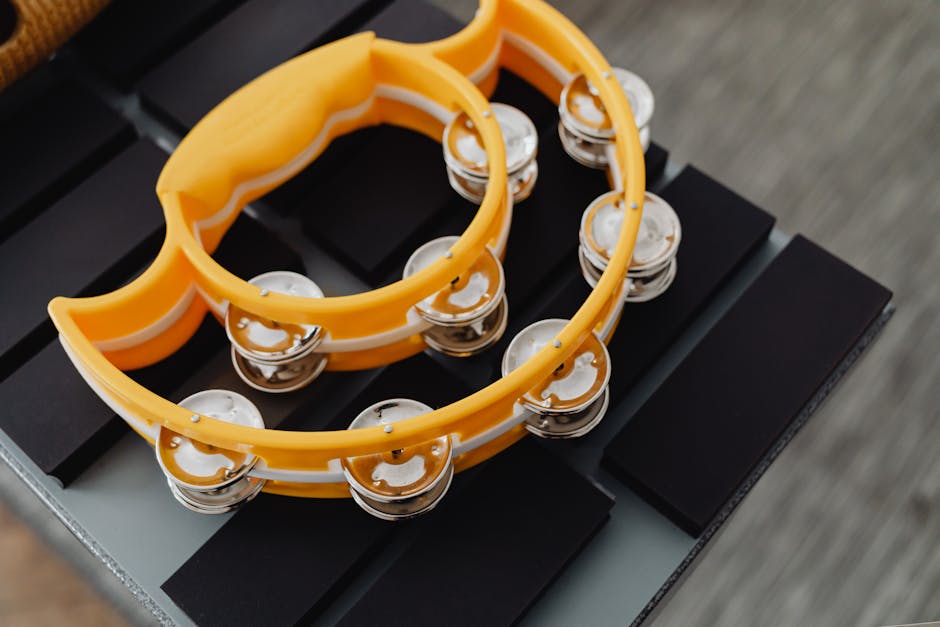
Start with rhythm instruments
Rhythm is the easiest place to begin.
Try this:
- Use a box or table as a drum surface
- Fill a container with rice to create a shaker
- Tap different surfaces to explore sound differences
Focus on timing and consistency. Rhythm builds the foundation of music.
Create simple string instruments
You can simulate string instruments using basic materials.
- Take an empty tissue box
- Stretch rubber bands across the opening
- Pluck each band to hear different pitches
If you change the thickness or tension of the bands, the sound changes. This mimics how guitars work.
Experiment with pitch and tone
Pitch-based instruments are slightly more advanced but still simple to try.
- Line up glass cups
- Fill each with a different amount of water
- Tap them gently with a spoon
You will hear a scale forming. Each glass produces a unique note.
Tips to improve your homemade instrument
- Use materials with different densities
- Test how tight or loose parts affect sound
- Combine multiple items for richer tones
- Record your sound to evaluate quality
Small adjustments can make a big difference.
Why this matters beyond fun
Building instruments from household items is not just entertainment. It teaches important concepts:
- How sound works
- How materials influence tone
- How creativity solves limitations
It also builds confidence. You realize you can create something meaningful with what you already have.
Conclusion
Music does not depend on expensive instruments or professional studios. It starts with curiosity and creativity. When you turn everyday items into instruments, you discover a new way to experience sound. This approach keeps music accessible, personal, and constantly evolving.
