


Music is one of the clearest ways a country expresses its identity, and traditional instruments often carry stories that go back centuries. If you are exploring cultural soundtracks and global music influences, you can also discover curated content and music-related features on https://putlockerworld.com/ where classic and modern sounds meet across different cultures.
How national instruments reflect identity and history
Every country has at least one instrument closely tied to its heritage. These instruments are not chosen randomly. They often develop from local materials, cultural rituals, and historical events.

In many cases, a national instrument becomes a symbol. It represents not just music, but language, tradition, and even resistance.
Instruments shaped by geography and resources
The environment plays a direct role in how instruments are made.
- Bamboo is widely used in Asian instruments such as the Vietnamese đàn bầu and Japanese shakuhachi
- Animal skin and wood dominate African drums like the djembe
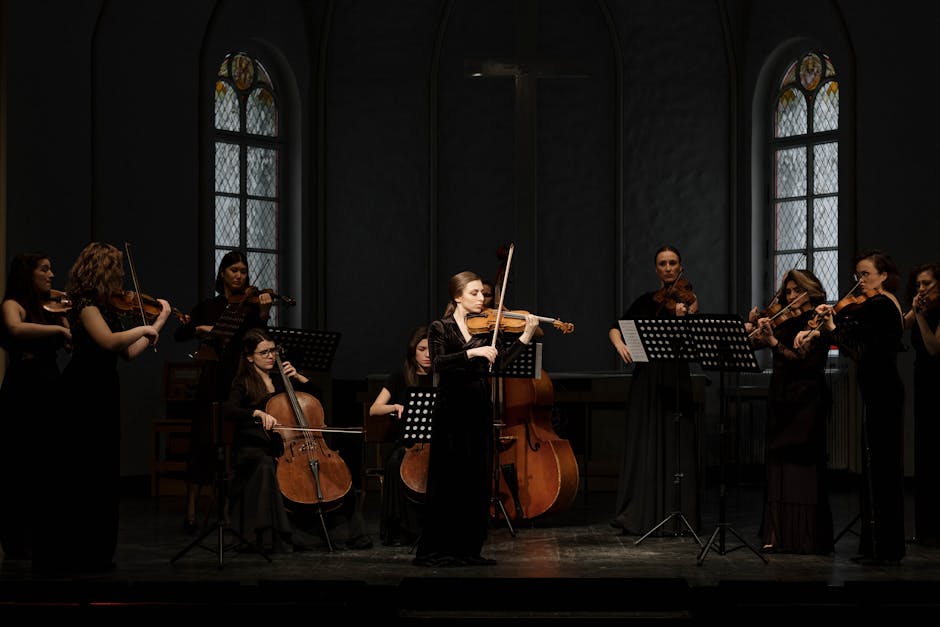
- Metal and strings are common in European instruments such as the violin
These materials influence the sound. Bamboo creates soft, airy tones. Drums produce deep rhythms. String instruments allow melodic expression.
The role of instruments in cultural rituals
National instruments are often tied to ceremonies.
- In India, the sitar is used in classical performances linked to spiritual traditions
- In Scotland, the bagpipes are associated with military and ceremonial events
- In Indonesia, gamelan ensembles are central to religious and community gatherings
These instruments are not just played. They are experienced as part of a larger cultural moment.
Why certain instruments become national symbols
Not every instrument becomes iconic. Some gain recognition because of their cultural reach.
- The Spanish guitar became global through flamenco and classical music
- The Irish harp is officially recognized as a national symbol and appears on coins
- The Chinese guzheng gained popularity through both traditional and modern performances
Recognition often comes from visibility. The more an instrument is used in national events, media, and education, the stronger its identity becomes.
A curated list of national instruments across regions
Around the world, different countries highlight different instruments as part of their identity. While there is no single official list, many instruments are widely accepted as national symbols.
Asia and the Middle East
Asia has one of the richest traditions of musical instruments.
- Vietnam: đàn bầu, a monochord instrument known for its expressive pitch bending
- China: guzheng, a plucked zither with a long history in court and folk music
- Japan: koto and shakuhachi, representing both string and wind traditions
- India: sitar and tabla, central to classical and contemporary fusion music
- Iran: tar, a string instrument used in Persian classical music
These instruments focus heavily on melody and subtle tonal variation. Many require years of training to master.
Europe
European instruments often emphasize harmony and structure.
- Spain: classical guitar, central to flamenco and modern acoustic music
- Scotland: bagpipes, widely recognized in ceremonial contexts
- Ireland: harp, deeply tied to national identity and folklore
- Hungary: cimbalom, used in folk and orchestral settings
- Russia: balalaika, known for its triangular shape and bright tone
European traditions often influence global music education. Many modern instruments evolved from these early designs.
Africa
African instruments are strongly connected to rhythm and community.
- West Africa: djembe, a hand drum used in celebrations and storytelling
- South Africa: mbira, also called thumb piano, used in spiritual rituals
- Nigeria: talking drum, capable of mimicking human speech patterns
These instruments are interactive. They are often played in groups and involve audience participation.
The Americas
The Americas combine indigenous traditions with global influences.
- United States: banjo, rooted in African traditions and developed in American folk music
- Mexico: mariachi guitar and vihuela, central to regional music styles
- Peru: pan flute, linked to Andean culture
- Brazil: berimbau, associated with capoeira and rhythmic performance
These instruments reflect cultural blending. They show how migration and history shape sound.
How national instruments influence modern music
Traditional instruments are not limited to historical use. Many are now integrated into modern genres.

Fusion with contemporary music
Artists today often mix traditional sounds with modern production.
- Electronic music producers sample instruments like the sitar or koto
- Pop artists incorporate traditional rhythms into global hits
- Film soundtracks use national instruments to create cultural depth
This fusion helps preserve tradition while making it accessible to younger audiences.
Education and preservation efforts
Many countries invest in preserving their musical heritage.
- Schools teach traditional instruments alongside modern ones
- Cultural festivals highlight live performances
- Governments support museums and music programs
These efforts ensure that national instruments remain relevant.
The role of digital platforms in global exposure
Streaming and social media have changed how people discover music.
- Traditional performances can reach global audiences instantly
- Musicians collaborate across countries without physical boundaries
- Rare instruments gain popularity through viral content
This exposure allows instruments that were once local to become international.
Why understanding national instruments matters today
Learning about national instruments gives you a deeper understanding of culture.
Cultural awareness through music
Music is one of the easiest ways to connect with a different culture.
- You hear the rhythm of daily life
- You understand emotional expression across languages
- You see how history shapes creativity
Inspiration for musicians and creators
If you create music, traditional instruments offer new ideas.
- Unique sounds that stand out in modern production
- Different scales and tonal systems
- Creative approaches to rhythm and melody
Building a global perspective
Understanding these instruments helps you see the world differently.
- You recognize shared patterns across cultures
- You appreciate diversity in artistic expression
- You develop a broader creative mindset
Conclusion
National instruments are more than tools for making music. They are cultural archives that carry history, identity, and creativity across generations. As modern music continues to evolve, these instruments remain essential, offering sounds and stories that still resonate in today’s global landscape.
