

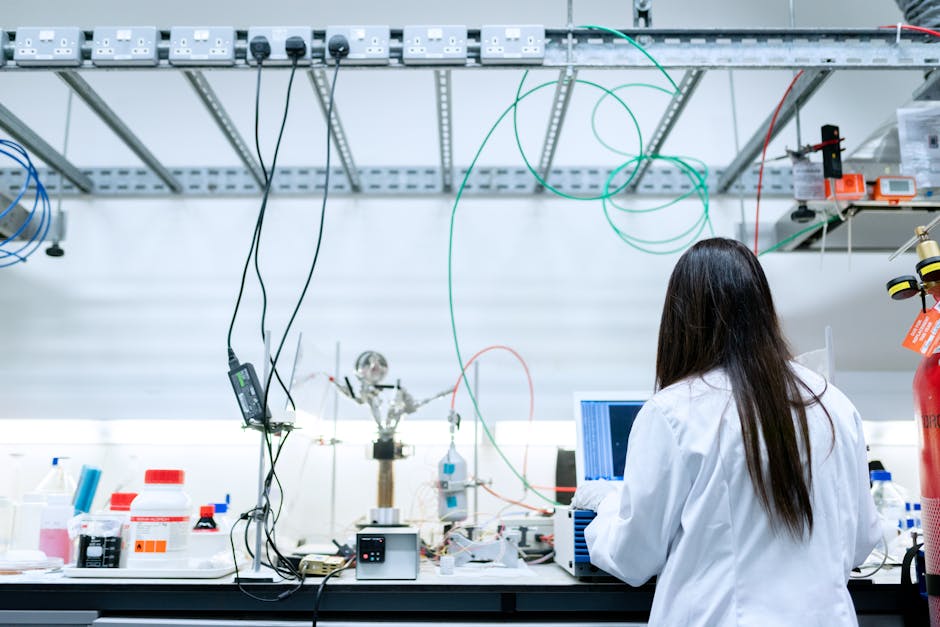
Advanced sampling technologies are quietly transforming how data is collected, analyzed, and applied across industries. From environmental monitoring to digital media processing, these innovations are helping researchers and businesses work faster and more precisely. If you want to explore how technology and media intersect in modern platforms, you can also discover curated insights and content at https://putlockerworld.com/ where digital trends continue to evolve alongside real-world applications.
The fundamentals behind modern sampling technologies
Sampling is not a new concept. It has been used for decades in statistics, science, and engineering. What has changed is the scale and precision.
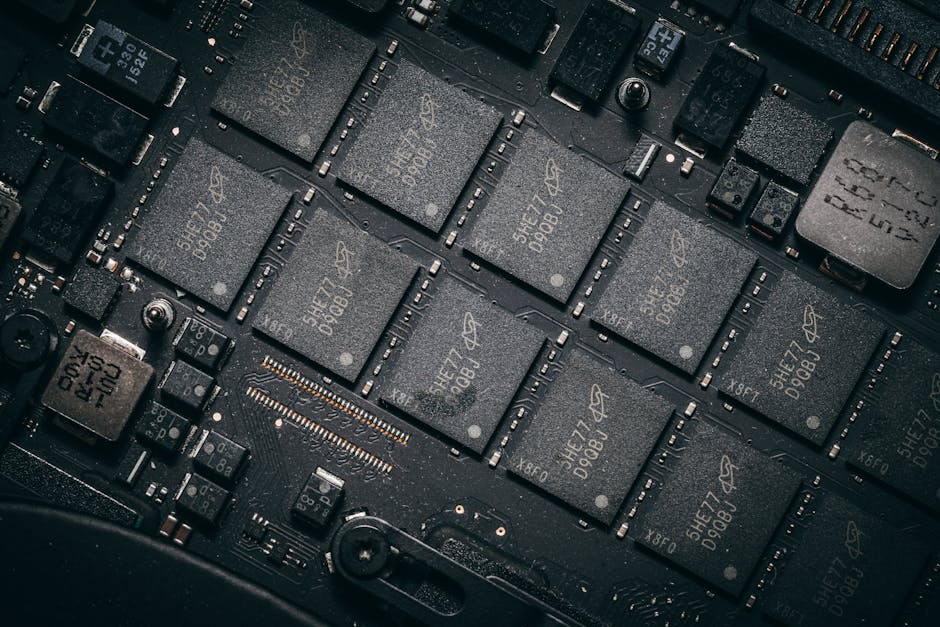
Today’s advanced sampling technologies rely on automation, artificial intelligence, and high-speed processing. Instead of manually collecting small datasets, systems now gather massive volumes of information in real time.
What makes sampling “advanced” today
Modern sampling technologies are defined by a few key factors:
- High-frequency data collection
- Real-time processing capabilities
- Integration with machine learning models
- Minimal human intervention
- High accuracy with reduced error margins
For example, in environmental science, sensors can now collect air quality data every second across multiple locations. This creates a detailed picture that was impossible a decade ago.
The role of automation and AI
Automation has reduced the need for manual sampling. AI takes it further by analyzing patterns instantly.
In healthcare, wearable devices continuously sample biometric data such as heart rate and oxygen levels. Algorithms then detect anomalies before symptoms appear.
This shift is important. It moves sampling from reactive to predictive.
Precision and scalability improvements
Older sampling methods often faced a trade-off. You could have precision or scale, but not both.
Advanced technologies remove that limitation.
- Sensors are smaller and more accurate
- Cloud systems handle massive datasets
- Edge computing reduces latency
This allows industries to collect more data without sacrificing quality.
Real-world applications across industries
Advanced sampling technologies are not limited to laboratories. They are used across multiple sectors, often in ways you might not notice.
Healthcare and biomedical research
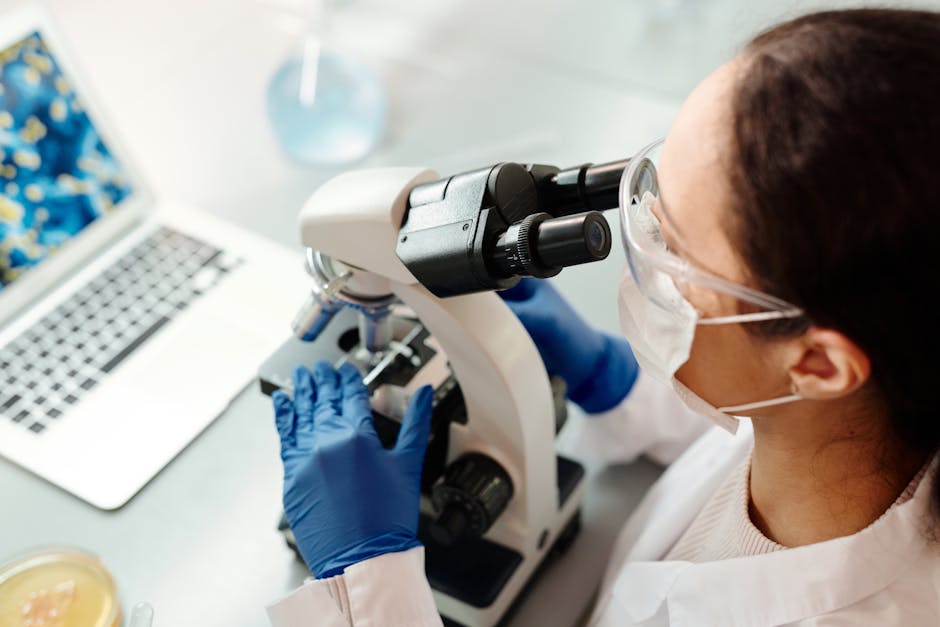
In healthcare, sampling technologies are improving diagnostics and patient monitoring.
Examples include:
- Continuous glucose monitors for diabetes
- DNA sequencing technologies
- Remote patient monitoring systems
These tools collect data constantly. Doctors can make decisions based on trends, not just isolated tests.
This leads to earlier detection and better treatment outcomes.
Environmental monitoring and sustainability
Environmental agencies rely heavily on sampling.
Modern systems can:
- Track air pollution in real time
- Monitor water quality across large regions
- Measure soil conditions for agriculture
Satellite-based sampling adds another layer. It provides global coverage, helping researchers understand climate patterns more accurately.
This data supports policy decisions and sustainability efforts.
Digital media and entertainment
Sampling is also critical in digital media.
In audio production, sampling technologies allow producers to reuse and manipulate sound with high precision.
In video streaming, adaptive sampling ensures smooth playback. Platforms adjust quality based on bandwidth conditions.
You see this every time a video loads instantly without buffering.
Manufacturing and industrial systems
Factories use sampling to maintain quality and efficiency.
Sensors monitor:
- Temperature
- Pressure
- Machine performance
If a system detects irregular data, it can trigger maintenance before a failure occurs.
This reduces downtime and saves costs.
Challenges and limitations of advanced sampling
Despite the progress, advanced sampling technologies are not perfect. There are still challenges that need attention.
Data overload and management
Collecting more data is not always better.
Organizations often struggle with:
- Storing large datasets
- Processing information quickly
- Extracting meaningful insights
Without proper systems, data becomes noise instead of value.
Privacy and ethical concerns
Continuous sampling raises privacy issues.
For example:
- Wearable devices collect personal health data
- Smart devices track user behavior
If this data is misused, it can lead to serious consequences.
Regulations are evolving, but they often lag behind technology.
Accuracy vs cost trade-offs
High-precision sampling systems can be expensive.
Small businesses or developing regions may not have access to the latest tools.
This creates a gap between organizations that can afford advanced systems and those that cannot.
Balancing cost and accuracy remains a key challenge.
The future of sampling technologies
The next phase of sampling will focus on intelligence and integration.
Smarter systems with predictive capabilities
Future systems will not just collect data. They will predict outcomes.
- AI models will identify trends before they become problems
- Systems will adapt sampling rates based on conditions
- Decision-making will become more automated
This will reduce the need for human intervention even further.
Integration with IoT and smart infrastructure
The Internet of Things is expanding rapidly.
Devices are becoming interconnected, creating a network of continuous sampling points.
Smart cities already use this approach:
- Traffic sensors optimize flow
- Energy systems adjust consumption
- Public safety systems monitor activity
Sampling becomes part of everyday infrastructure.
Miniaturization and accessibility
Technology is becoming smaller and cheaper.
Portable devices can now perform tasks that once required large laboratories.
This opens opportunities for:
- Remote areas
- Small businesses
- Individual users
Access to advanced sampling is no longer limited to large organizations.
Why advanced sampling technologies matter today
Sampling technologies influence decisions at every level.
Governments use them for policy. Businesses use them for strategy. Individuals use them for health and convenience.
The key benefits are clear:
- Faster decision-making
- Higher accuracy
- Better resource management
- Improved user experiences
If you look closely, you will notice sampling everywhere. It is behind the data that shapes modern life.
Conclusion
Advanced sampling technologies are changing how information is collected and used across industries. They make systems smarter, faster, and more reliable. As these technologies continue to evolve, their impact will become even more visible in daily life, from healthcare to digital media and beyond.
