

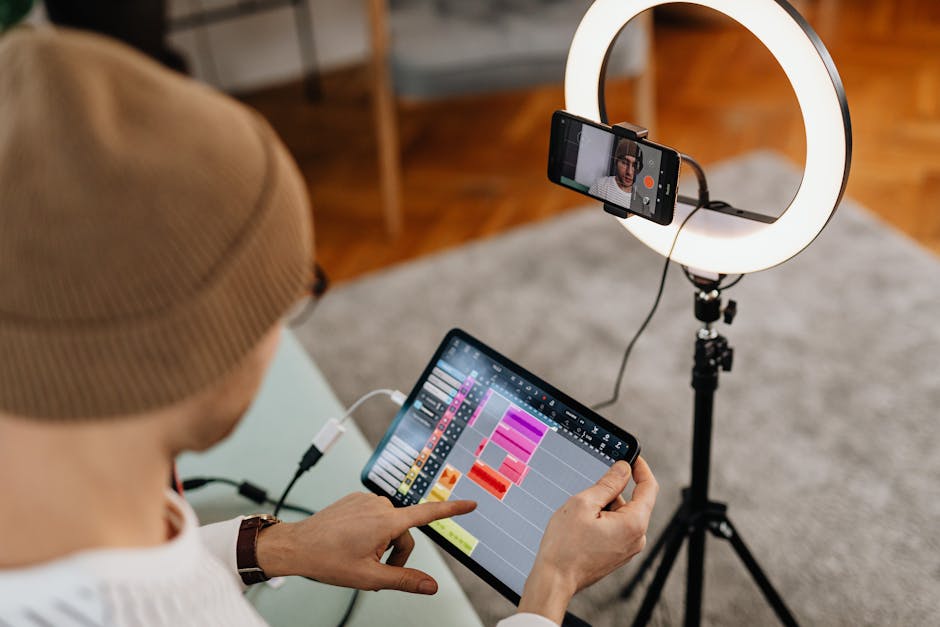
Music livestreaming on social media has quickly moved from a niche experiment to a core part of how artists connect with audiences. From bedroom performances to large-scale digital concerts, platforms now allow real-time interaction that traditional media never offered. If you want to explore how music and digital entertainment intersect across formats, you can also browse curated content on https://putlockerworld.com/ where streaming culture continues to evolve alongside audience demand.
The rise of music livestreaming across social platforms
Livestreaming did not start as a music-first feature. It began as a general broadcasting tool on platforms like Facebook, YouTube, and Instagram. Over time, artists recognized its potential.
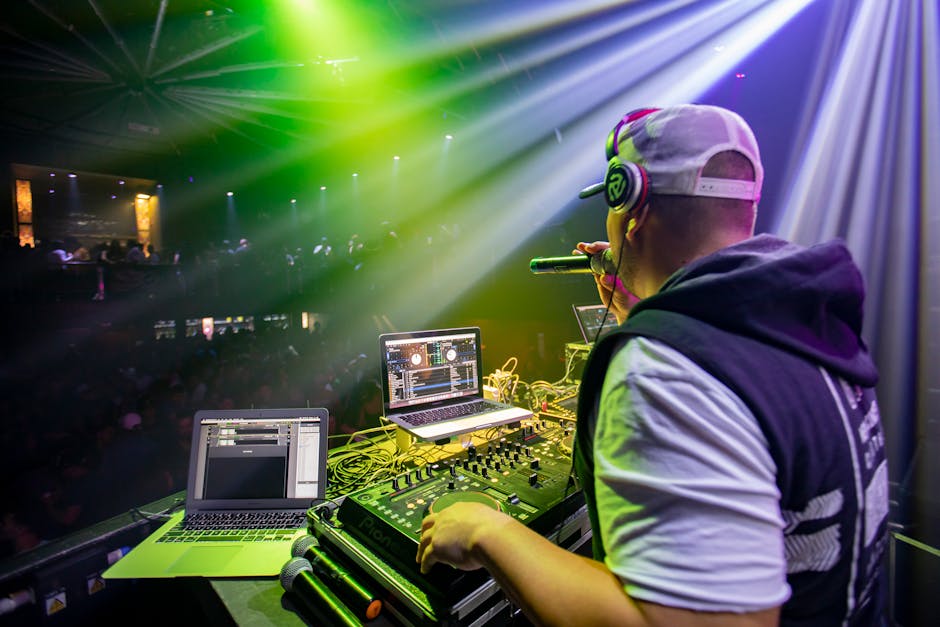
The shift became obvious during global lockdown periods. With concerts canceled, musicians turned to livestreaming to stay visible and maintain income. What started as a temporary solution quickly became a permanent channel.
You can now see artists using livestreams in multiple ways:
- Launching new songs in real time
- Hosting Q&A sessions with fans
- Performing exclusive acoustic sets
- Promoting upcoming tours or releases
This direct-to-audience model removes intermediaries. Artists no longer rely entirely on labels, TV, or radio to reach listeners.
Audience behavior has also changed. Instead of passively consuming content, viewers engage instantly through comments, reactions, and live chats. This creates a sense of participation that recorded music cannot replicate.
Another key factor is accessibility. You only need a smartphone and an internet connection to join a live session. This low barrier has expanded global reach, allowing independent artists to build international audiences without major backing.
How livestreaming is transforming artist revenue and fan engagement
One of the biggest impacts of music livestreaming is financial. Traditional revenue streams like album sales have declined. Streaming platforms pay per play, often at low rates. Livestreaming offers an alternative.
Artists monetize livestreams in several ways:
- Virtual ticket sales for exclusive performances
- Fan donations during live sessions
- Brand sponsorships integrated into streams
- Merchandise promotion linked directly in real time
This model gives artists more control over income. Instead of waiting for royalties, they can earn instantly.
Fan engagement has also reached a new level. In a live session, you can see your favorite artist respond to comments, take song requests, or even mention your name. That interaction builds loyalty.
Smaller artists benefit the most. They can build tight communities without needing massive exposure. A few thousand engaged fans can be more valuable than millions of passive listeners.
Data also plays a role. Social platforms provide insights into viewer behavior. Artists can track:
- Peak viewing times
- Audience demographics
- Engagement rates
This allows them to refine content and improve future performances.
However, challenges remain. Not all livestreams generate revenue. Competition is high, and attention spans are short. To succeed, artists must combine performance skills with content strategy.
The future of music livestreaming in a digital-first world
Livestreaming is no longer an optional tool. It is becoming part of the standard music release cycle.
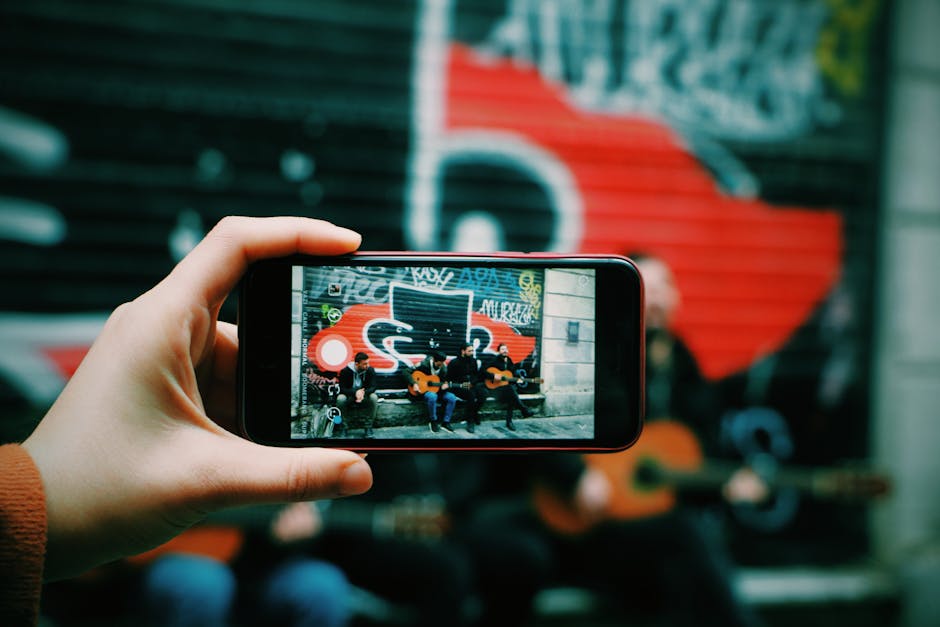
Technology continues to push this trend forward. Better internet speeds and improved mobile cameras have raised production quality. Some livestream concerts now rival traditional shows in terms of visuals and sound.
You are also seeing integration with emerging technologies:
- Virtual reality concerts that simulate physical venues
- Augmented reality effects during live performances
- AI-driven recommendations that promote streams to the right audience
These innovations aim to create more immersive experiences.
Another trend is platform specialization. While general platforms still dominate, some services are focusing specifically on music livestreaming. They offer features tailored to artists, such as better audio quality and built-in monetization tools.
At the same time, major artists are investing in hybrid events. These combine physical concerts with livestream access. Fans who cannot attend in person can still participate digitally.
This hybrid model expands audience reach and increases revenue potential.
There are also shifts in content style. Highly produced livestreams are popular, but raw and authentic sessions often perform better. Viewers value real moments over perfection.
For you as a listener, this means more access. You can watch performances from anywhere in the world without travel costs. You can discover new artists through algorithm-driven feeds. You can interact directly with creators in ways that were impossible a decade ago.
Why music livestreaming is here to stay
Music livestreaming on social media is not a temporary trend. It addresses key needs for both artists and audiences.
For artists:
- Direct communication with fans
- Immediate monetization opportunities
- Greater creative control
For audiences:
- Real-time interaction
- Easy access to live performances
- Personalized content experiences
The model aligns with how people consume content today. Fast, interactive, and mobile-first.
As digital ecosystems continue to grow, livestreaming will likely become even more integrated into everyday entertainment. Whether it is a global superstar hosting a virtual concert or an independent artist streaming from home, the format will continue to evolve.
Conclusion
Music livestreaming on social media has redefined how performances are created, shared, and experienced. It bridges the gap between artist and audience, turning passive listening into active participation. As technology advances and user habits shift further toward digital platforms, livestreaming will remain a central force in shaping the future of music.
