


Choose to learn an instrument you think is dope and you immediately change the way you approach music, creativity, and even discipline in daily life. If you are looking for fresh inspiration, you can explore more ideas and entertainment trends at https://putlockerworld.com/ while deciding which instrument fits your personality and energy best.
Music has never been more accessible. You no longer need a formal background, expensive studio time, or years of classical training to get started. What matters now is connection. The instrument you pick should feel right. It should excite you enough to keep coming back, even on days when progress feels slow.
The biggest mistake beginners make is choosing what they think they should learn instead of what they actually like. A guitar may be popular. A piano may be traditional. But if you feel drawn to something else, that instinct matters more than any recommendation. When you pick something that feels dope to you, motivation becomes natural instead of forced.
There is also a shift in how people define “learning music.” It is no longer limited to reading sheet music or mastering theory first. Many start by playing along with songs, watching short tutorials, or experimenting with sound. This hands-on approach helps you stay engaged while building real skills.
Start with what catches your attention. It could be the sound, the look, or even the vibe of the instrument. Some people choose based on genres they love. Others are influenced by artists they admire. The key is to follow what makes you curious.
Guitar remains one of the most popular choices, and for good reason. It is versatile, portable, and works across multiple genres. You can play acoustic for relaxed sessions or electric for more energy. Beginners often find quick wins with basic chords, which helps maintain motivation early on.
Piano offers a different kind of experience. It gives you a clear visual layout of notes and structure. This makes it easier to understand music theory as you go. Many producers and composers start with piano because it builds a strong foundation for creating music later.
If you want something more rhythmic, drums might be your thing. Drumming is physical. It connects directly to your sense of timing and coordination. You do not always need a full drum kit to start. Practice pads and digital setups can help you build skills without needing much space.
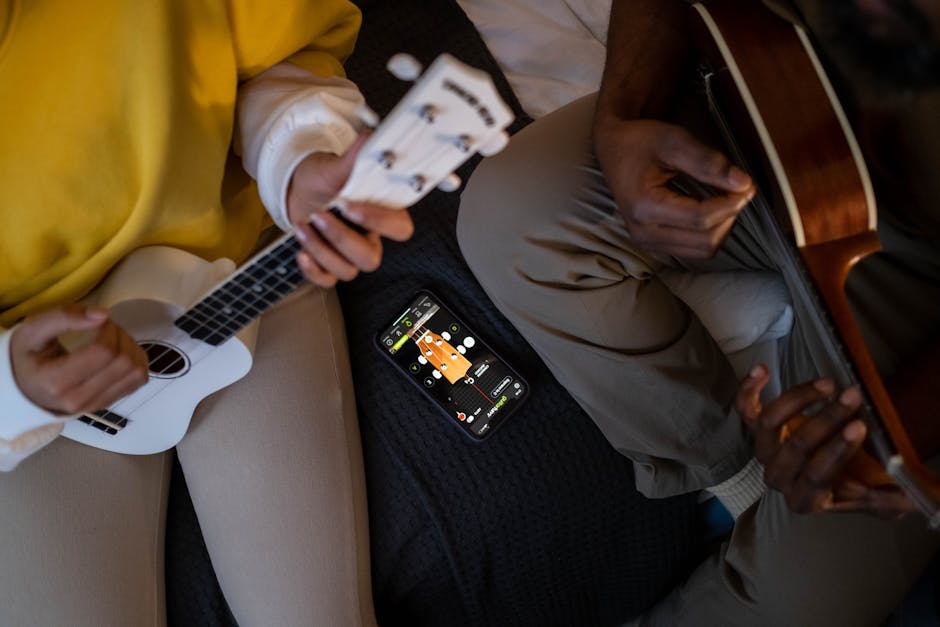
For those who want something unique, consider instruments like the ukulele, violin, or even digital controllers. These options can feel fresh and different. They stand out. They also allow you to explore styles that are not always mainstream.
Your environment plays a big role in how fast you progress. You do not need a perfect setup, but you do need consistency. Set a small, realistic routine. Even 15 to 20 minutes a day can create noticeable improvement over time.
Learning an instrument is not about perfection. It is about repetition and patience. You will hit wrong notes. You will forget chords. That is part of the process. What matters is showing up again the next day.
One practical way to stay consistent is to break your sessions into simple steps:
- Warm up with something easy you already know
- Practice one new technique or pattern
- Play along with a song you enjoy
- End with a quick review of what you learned
This structure keeps things focused without feeling overwhelming.
Another key factor is tracking progress. Record yourself occasionally. It does not need to be perfect. When you look back after a few weeks, you will notice improvement that you might not feel day to day.
Technology has made learning faster and more flexible. You can find tutorials, apps, and communities that support every stage of your journey. You are not limited to one teacher or one method anymore.
Online platforms offer step-by-step guidance. Video tutorials allow you to see and hear exactly how things should be played. This reduces confusion and helps you correct mistakes early.
At the same time, it is important not to overload yourself with too many resources. Pick one or two reliable sources and stick with them. Consistency beats variety when you are starting out.
Playing with others can also accelerate your progress. It forces you to stay in rhythm and adapt to different styles. Even informal jam sessions can teach you more than solo practice alone.
If you do not have people around you who play music, online communities can fill that gap. Sharing your progress, asking questions, and learning from others can keep you motivated.
Another overlooked aspect is mindset. Many people quit because they expect fast results. Learning an instrument takes time. Progress is not always linear. Some days will feel easier than others.
Instead of focusing on how good you are, focus on how often you practice. Frequency builds familiarity. Familiarity builds confidence.
You also need to accept that mistakes are part of learning. Every musician, no matter how experienced, makes errors. What separates progress from frustration is how you respond to those mistakes.
Keep your goals simple at the beginning. Do not aim to master everything at once. Start with one song, one technique, or one style. Build from there.
Here are a few beginner-friendly goals you can set:
- Learn basic chords or scales
- Play one full song from start to finish
- Practice timing with a metronome
- Improve finger strength and coordination
These small wins create momentum.
It also helps to connect your practice with real enjoyment. Play songs you actually like. This keeps the experience personal and engaging.
If you only practice exercises without context, it can feel repetitive. Mixing exercises with real music keeps things balanced.
Another important factor is choosing the right instrument quality. You do not need the most expensive option, but you should avoid very low-quality gear. Poor sound and uncomfortable design can slow your progress.
Look for beginner-friendly models that offer decent build and sound. This makes learning smoother and more enjoyable.
Maintenance is also part of the process. Keeping your instrument in good condition ensures consistent performance. This includes tuning, cleaning, and basic care.
As you improve, your relationship with the instrument will change. What once felt difficult becomes natural. You start to experiment more. You develop your own style.
This is where creativity begins to take over. You are no longer just learning. You are expressing.
Music becomes more than a skill. It becomes a way to communicate without words. It allows you to process emotions, ideas, and experiences in a different way.
Many people also find that learning an instrument improves focus and discipline. It trains your brain to handle complex patterns and coordination.
Over time, these benefits extend beyond music. They influence how you approach other challenges in life.
Another advantage is stress relief. Playing music can help you relax and reset after a long day. It creates a space where you can disconnect from distractions.
You do not need to perform or share your music unless you want to. The value comes from the process itself.
If you do decide to share your progress, it can open new opportunities. Social platforms allow you to connect with a wider audience. You can receive feedback, collaborate, and even build a personal brand.
However, it is important to keep your focus on learning first. Do not let external validation control your progress.
Stay consistent. Stay curious. Stay patient.
Choosing an instrument you think is dope is not just about music. It is about creating a habit that adds value to your life. It gives you something to build, improve, and enjoy over time.
The best time to start is now. You do not need to wait for the perfect moment or setup. Begin with what you have. Learn step by step.
Every session, no matter how small, moves you forward.
And once you get into the rhythm, you will realize that the hardest part was simply starting.
Related Reading