

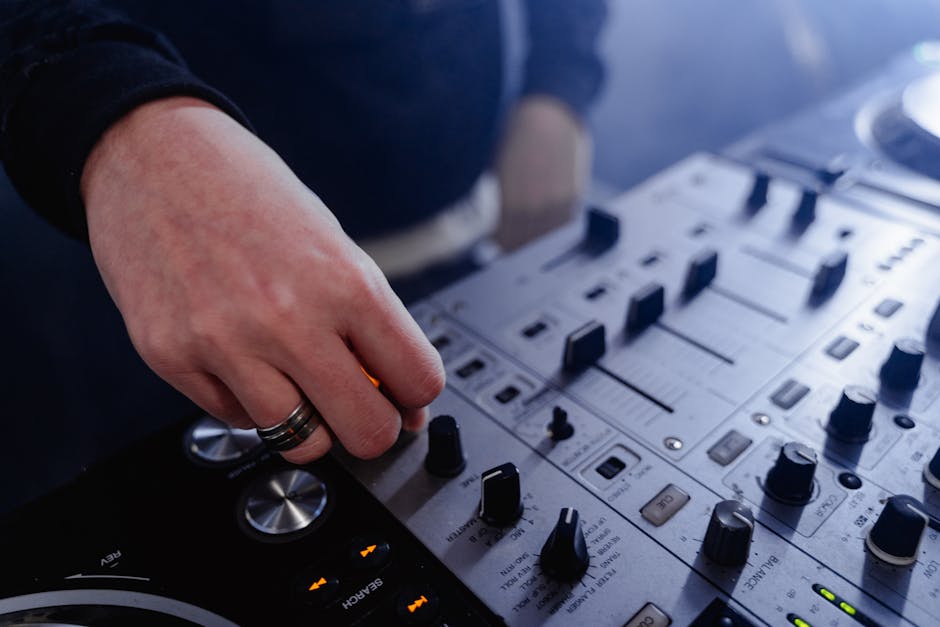
Learning to scratch is no longer limited to underground DJ booths or vinyl purists. In 2026, anyone with the right mindset, tools, and structured practice can build real turntablism skills from home. If you want to explore DJ culture, music inspiration, and curated content tied to modern sound trends, you can start here https://putlockerworld.com/ where music and entertainment intersect in a way that feels current and accessible.
Understanding the fundamentals of DJ scratching and why it matters
Scratching is one of the most recognizable DJ techniques. It transforms a turntable into a musical instrument. Instead of just playing tracks, you actively manipulate sound.
At its core, scratching involves moving a vinyl record or jog wheel back and forth while controlling the crossfader. This creates rhythmic patterns, textures, and accents.
The origin of scratching goes back to hip hop culture in the late 1970s. DJs like Grand Wizzard Theodore discovered that moving records manually could create unique sounds. Over time, this evolved into a technical art form.
If you are starting in 2026, you benefit from better technology. Digital controllers, software like Serato or Rekordbox, and online tutorials make learning faster.
The essential components you need to start
Before you practice techniques, you need the right setup:
- A DJ controller or turntables
- DJ software such as Serato DJ, Rekordbox, or Traktor
- Headphones for cueing
- A laptop or standalone DJ unit
- Sample tracks or scratch sounds
You do not need expensive gear at the beginning. Many entry-level controllers offer responsive jog wheels that simulate vinyl movement.
The basic scratching techniques every beginner should learn
Start simple. Focus on control before speed.
Here are the core techniques:
- Baby scratch
Move the record forward and backward without using the crossfader. This builds timing and hand coordination. - Forward scratch
Push the record forward while opening the crossfader. Close it when pulling back. - Backward scratch
The reverse of forward scratch. This helps you understand sound control. - Tear scratch
Break a movement into two parts. This adds rhythm variation. - Chirp scratch
Use quick crossfader cuts to create sharp sounds.
Practice slowly. Accuracy matters more than speed. If your timing is clean, speed will come naturally.
Building real DJ skills through structured practice and modern tools
Learning to scratch is about repetition and discipline. You cannot rush it. But you can train smarter.
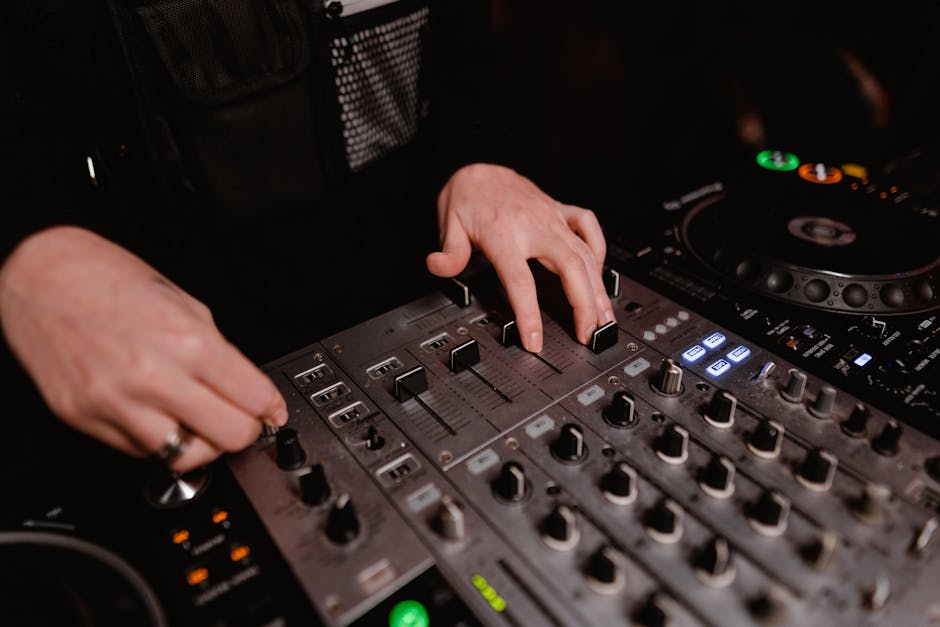
How to structure your daily practice
Consistency beats intensity. A simple routine works best:
- 10 minutes warm up with baby scratches
- 15 minutes focused technique practice
- 10 minutes freestyle experimentation
- 5 minutes recording and reviewing
Recording yourself is important. You will notice timing issues that you cannot hear while playing.
Using technology to improve faster in 2026
Modern DJs have tools that were not available before.
You can use:
- BPM counters to stay on beat
- Waveform displays to visualize sound
- Loop functions to isolate sections
- Practice mode to slow down tracks
Some apps even offer AI feedback. They analyze your timing and suggest improvements.
This gives you an advantage. But do not rely only on visuals. Train your ears.
Common mistakes that slow down your progress
Many beginners struggle because of simple habits:
- Practicing too fast too early
- Ignoring rhythm and timing
- Not using headphones properly
- Skipping fundamentals
If you rush into advanced scratches without control, your sound will be messy.
Focus on clean execution first.
Turning scratching into performance skill and personal style
Once you understand the basics, the next step is expression. Scratching is not just technique. It is performance.
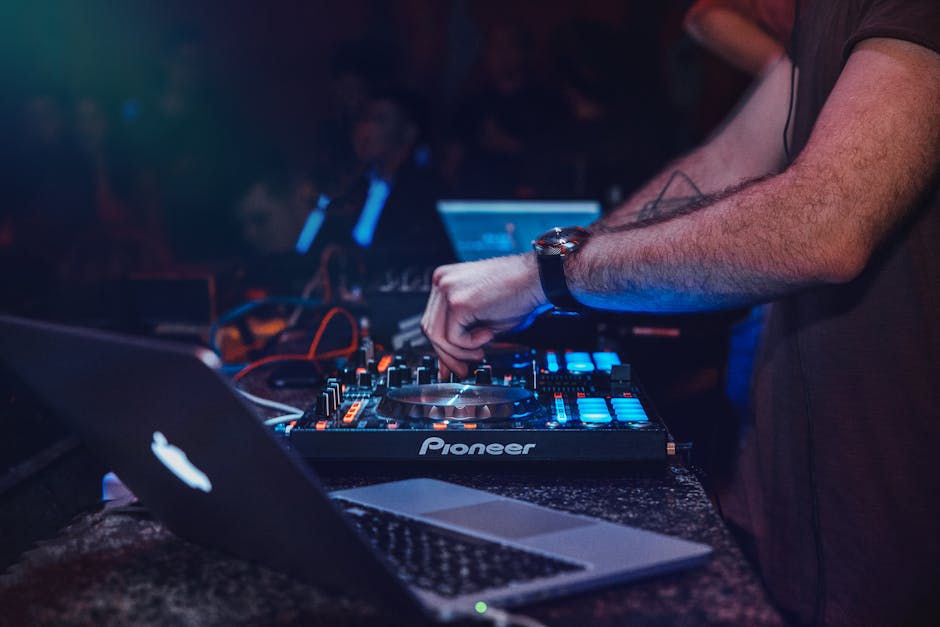
How to combine scratching with mixing
Scratching works best when integrated into a set.
You can:
- Add scratches between transitions
- Use them to build tension
- Highlight drops or hooks
- Create live remixes
This makes your set more dynamic. It keeps the audience engaged.
Developing your own sound as a DJ
Every skilled DJ has a recognizable style.
You can build yours by:
- Experimenting with different genres
- Using unique scratch patterns
- Adjusting tempo and rhythm
- Practicing improvisation
Do not copy others exactly. Learn from them, then adapt.
Performing live and building confidence
Playing in front of people is different from practicing alone.
To prepare:
- Practice full sets, not just techniques
- Simulate live conditions at home
- Record video of your performance
- Start with small audiences
Confidence grows with experience.
The future of DJ scratching beyond 2026
Scratching is evolving. New tools are changing how DJs perform.
You will see:
- More integration with digital platforms
- Hybrid setups combining vinyl and software
- AI-assisted mixing tools
- Live streaming performances
Despite these changes, the core skill remains the same. Control over sound.
Conclusion
Learning to scratch in 2026 is more accessible than ever. With the right tools and consistent practice, you can move from beginner to confident DJ. Focus on fundamentals, train daily, and develop your own style. Over time, scratching will stop feeling like a technique and start feeling like a natural part of how you express music.
