

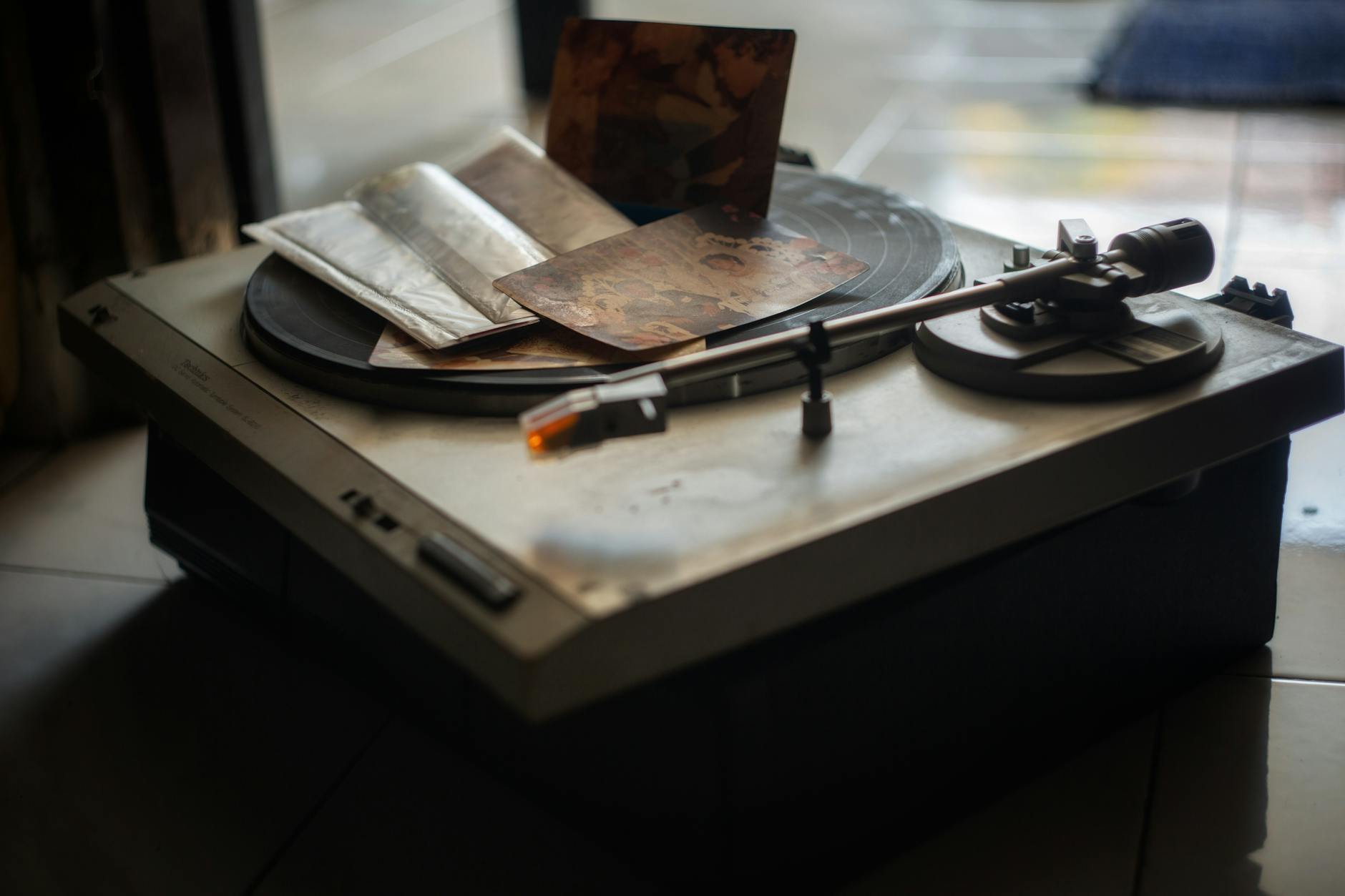
Beatmatching is one of the most essential skills every DJ needs to control energy on the dancefloor, and it remains the foundation of seamless mixing even in the age of sync buttons. If you want to understand how DJs build momentum and keep crowds engaged, you can explore more music-driven insights and performance culture at https://putlockerworld.com/ where sound, rhythm, and entertainment meet in a practical way.
Understanding beatmatching and why it still matters
Beatmatching is the process of aligning the tempo and rhythm of two tracks so they play in sync. When done correctly, transitions feel smooth. The audience does not notice the switch. The music flows continuously.

Even with modern DJ software offering automatic sync, manual beatmatching still matters. It gives you control. It helps you recover when technology fails. It trains your ears to understand rhythm deeply.
At its core, beatmatching relies on two elements:
- BPM, which stands for beats per minute
- Phase alignment, which ensures kicks and snares hit at the same time
If either of these is off, the mix sounds messy. The crowd notices immediately.
The difference between sync and manual beatmatching
Using sync is easy. You press a button and the software aligns both tracks.
Manual beatmatching is different. You adjust tempo sliders. You nudge the jog wheel. You listen carefully.
The key differences:
- Sync relies on software accuracy
- Manual relies on your ear and timing
- Sync can fail with complex tracks
- Manual works in every situation
Professional DJs often use both, but they always understand manual beatmatching.
Why beginners struggle with beatmatching
Most beginners face the same issues:
- Difficulty identifying the downbeat
- Poor headphone cueing technique
- Over-adjusting tempo sliders
- Lack of patience during practice
Beatmatching is not hard, but it requires repetition. Your ears need time to adapt.
Step by step method to beatmatch like a pro
You can learn beatmatching faster if you follow a clear process. Do not rush. Focus on one step at a time.
Step 1 choose the right tracks
Start with tracks that are easy to mix:
- Similar BPM range
- Clear drum patterns
- Consistent rhythm without breaks
House and techno are ideal for beginners. Avoid complex genres early on.
Step 2 match the tempo
Load two tracks. Play one through the speakers. Cue the second in your headphones.
Adjust the tempo slider until both tracks have similar speed.
You can do this by:
- Watching BPM values on screen
- Listening to how fast the kicks hit
Your goal is simple. Both tracks should feel equally fast.
Step 3 align the beats
Once the tempo is close, you align the beats.
Press play on the second track at the right moment. Listen for the kick drum.
If the beats drift:
- Use the jog wheel to push or slow the track
- Make small adjustments only
This is where your ear matters most.
Step 4 fine tune the mix
After alignment, listen for drift over time.
If one track slowly moves ahead:
- Reduce its tempo slightly
If it falls behind:
- Increase the tempo slightly
Small corrections keep the mix locked.
Step 5 transition smoothly
Once both tracks are matched, you can blend them.
Use EQ and volume control:
- Lower bass on the incoming track
- Gradually swap frequencies
- Fade between tracks naturally
This creates a clean transition without clashing sounds.
Essential techniques that separate amateurs from real DJs
Once you understand the basics, you can refine your technique. This is what makes the difference on stage.

Proper headphone cueing
Good DJs split their attention between headphones and speakers.
You should:
- Listen to the current track through speakers
- Cue the next track in headphones
- Compare both rhythms simultaneously
This allows precise adjustments.
Using pitch control effectively
The tempo slider is sensitive. Small movements create big changes.
Tips for better control:
- Move the slider slowly
- Avoid large jumps
- Reset if things go out of sync
Precision is more important than speed.
Learning to hear phrases
Music is structured in phrases, usually 8 or 16 bars.
When you mix at the right phrase point:
- Transitions feel natural
- Energy builds smoothly
You need to count beats:
1 2 3 4 repeated across bars
This helps you drop tracks at the perfect moment.
Handling drift without panic
Even experienced DJs deal with drift.
The key is staying calm:
- Make small corrections
- Avoid overreacting
- Trust your ears
Over-adjusting is the most common mistake.
Common mistakes and how to fix them quickly
Every DJ makes mistakes early on. What matters is fixing them fast.
Mixing tracks with very different BPM
If BPM difference is too large, beatmatching becomes unstable.
Fix:
- Choose tracks within 3 to 5 BPM range
- Gradually expand your range as you improve
Ignoring track structure
Jumping into a mix at the wrong time creates chaos.
Fix:
- Learn intros and outros
- Mix during drum sections
Relying only on visuals
Waveforms are helpful, but they are not enough.
Fix:
- Train your ears
- Practice without looking at the screen
Overusing effects instead of fixing timing
Effects cannot fix poor beatmatching.
Fix:
- Focus on timing first
- Use effects only after mastering basics
Building long term beatmatching skills
Beatmatching improves with consistent practice. There is no shortcut.
Daily practice routine
You can improve faster with a simple routine:
- 20 minutes focusing only on tempo matching
- 20 minutes on beat alignment
- 20 minutes on transitions
Repeat daily. Progress becomes noticeable within weeks.
Practicing without sync
Turn off sync regularly.
This forces you to:
- Trust your ears
- Improve timing
- Build confidence
Recording and reviewing your mixes
Recording your sessions helps you identify mistakes.
Listen back and check:
- Are transitions smooth
- Do beats drift
- Is energy consistent
Self-review is one of the fastest ways to improve.
Expanding your music library
Different genres challenge your skills.
Try mixing:
- House
- Techno
- Hip hop
- Open format
Each style teaches something new.
Why beatmatching is still the core of DJing today
Technology has changed DJing, but the fundamentals remain the same.
Beatmatching is not just a technical skill. It is about control. It allows you to shape the flow of music and keep people engaged.
When you master beatmatching:
- You can mix anywhere
- You are not dependent on software
- You gain real confidence behind the decks
Conclusion
Learning how to beatmatch like a real DJ takes time, but the process is straightforward when you focus on the basics. Start with simple tracks, train your ear, and practice consistently. Once you control tempo and rhythm, everything else in DJing becomes easier and more creative.
