

Market Rally Driven by Geopolitical Calm
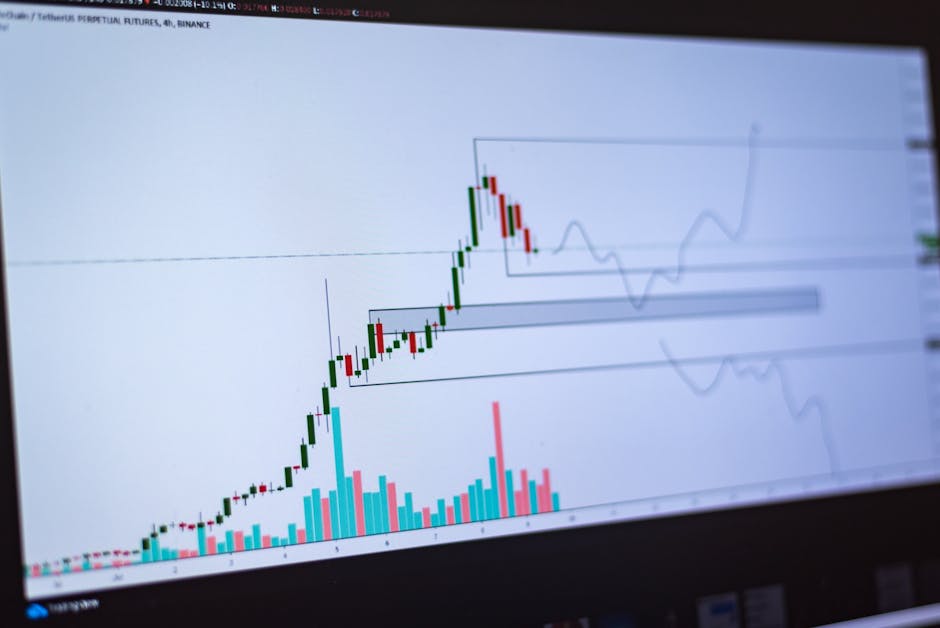
The U.S. stock market closed with a sharp rebound, marking its first weekly gain in five weeks as tensions with Iran eased. Investors poured into energy and technology sectors, with the S&P 500 rising 2.1% and the Nasdaq surging 3.4%.
Analysts attributed the turnaround to renewed confidence in global stability after a week of diplomatic breakthroughs. The rally began on Monday, fueled by speculation that Washington and Tehran had reached a temporary ceasefire agreement. Oil prices climbed 6% as energy stocks like ExxonMobil and Chevron led the charge.
Traders also noted that the Federal Reserve’s recent dovish signals had tempered fears of a prolonged economic slowdown. By Friday, the Dow Jones Industrial Average closed 4.2% higher, reversing months of declines. This marked a pivotal shift for investors who had been wary of geopolitical risks since the U.S.-Iran conflict escalated in early June.
Energy and Tech Sectors Lead the Recovery
Energy stocks accounted for nearly half of the S&P 500’s gains, with crude oil prices hitting a three-month high. Companies like Chevron and ExxonMobil saw their shares climb 8% as demand forecasts improved. The sector’s rebound reflected optimism that Middle Eastern producers would stabilize output, easing supply concerns.
Technology firms also posted strong gains, with semiconductors and cloud computing stocks outperforming. NVIDIA and AMD rose 5% each, driven by renewed interest in AI-driven infrastructure. Analysts pointed to corporate earnings reports that highlighted tech companies’ resilience amid inflationary pressures.
However, the rally faced headwinds as inflation data released on Thursday showed persistent price pressures. The Federal Reserve’s upcoming meeting in late July will likely dominate investor sentiment, with markets bracing for potential rate cuts. This balancing act between geopolitical relief and economic uncertainty defines the current market mood.
Investor Sentiment Shifts Toward Risk-On Positions
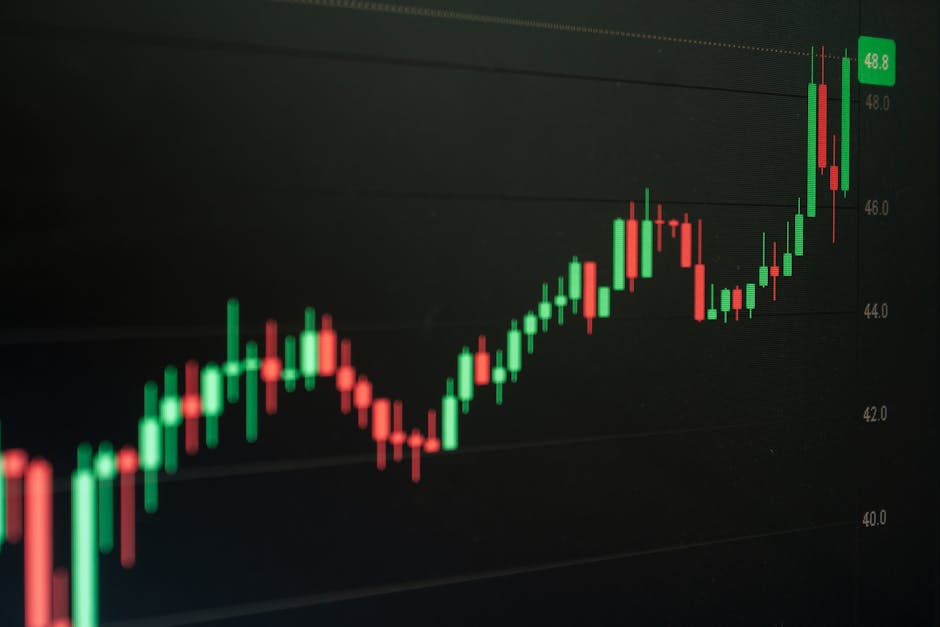
Retail investors and hedge funds began shifting assets toward equities, with mutual fund inflows hitting a 12-month high. Platforms like Robinhood reported a 25% increase in trading volume compared to the previous week. This trend suggests a broader reevaluation of risk tolerance amid improved macroeconomic outlooks.
Market participants also noted a decline in defensive sector holdings, with utilities and consumer staples seeing outflows. The shift reflects a growing belief that global growth will stabilize, reducing the appeal of safe-haven assets. However, volatility remains a concern, as traders await clarity on the U.S.-Iran situation and the Fed’s monetary policy stance.
The next few weeks will test the durability of this rally. If geopolitical tensions ease further and inflation moderates, the market could sustain its upward trajectory. Conversely, any setback in negotiations or economic data could trigger a swift reversal.
Conclusion
The market’s rebound underscores the delicate interplay between global politics and financial markets. As investors weigh the implications of the U.S.-Iran ceasefire, the focus now turns to whether this geopolitical reprieve can translate into sustained economic growth. The coming weeks will reveal whether Wall Street’s recent gains are a fleeting recovery or the start of a broader trend.
Related story: Adele Confirms Long Awaited Album Release With “30” Era
