

Old-time music instruments carry more than sound. They reflect how people lived, celebrated, and told stories across generations. Long before digital production and modern studios, these instruments defined rhythm, melody, and cultural identity in ways that still influence music today.
This article explores the origins, characteristics, and real-world use of traditional instruments across different regions. It focuses on factual insights and practical understanding so you can clearly see why these instruments still matter. If you are interested in broader entertainment and media culture, you can also explore https://putlockerworld.com/ for additional context.
The Origins and Cultural Role of Old-Time Instruments
Traditional instruments were not created for performance stages or commercial music. They were built for community life. Every region developed its own instruments based on available materials, climate, and cultural practices.
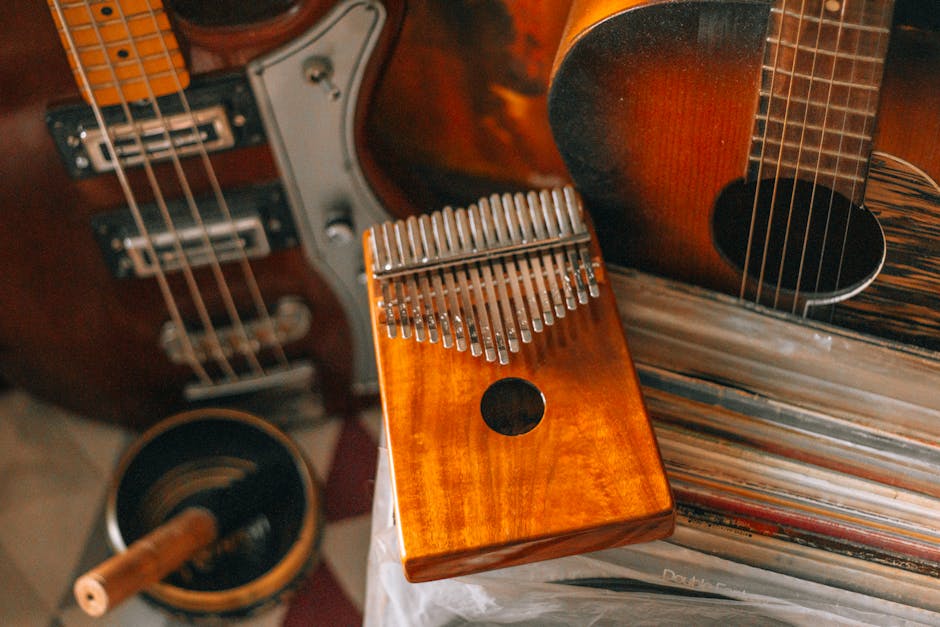
In many early societies, instruments were tied to rituals, storytelling, and seasonal events. For example, drums were often used in ceremonies to connect people with spiritual beliefs. String instruments helped preserve oral traditions by supporting songs that passed down history.
Most early instruments were handmade using natural materials such as wood, animal skin, bone, and metal. This limited construction method created unique sounds that modern instruments cannot fully replicate.
Here are common characteristics of old-time instruments:
- Built from local materials
- Designed for acoustic performance only
- Often used in groups rather than solo
- Connected to cultural or religious practices
In Europe, instruments like the lute and fiddle played a major role in folk traditions. In Asia, instruments such as the guzheng and erhu became central to classical and regional music. In Africa, various types of drums and string instruments formed the foundation of rhythm-based music.
These instruments were not standardized. Each region had variations in size, tuning, and design. This diversity is what makes traditional music rich and distinctive.
Another key factor is how music was learned. There were no formal schools or digital tutorials. Skills were passed down through observation and repetition. This created a strong connection between the musician and the instrument.
Even today, many traditional musicians continue to use these learning methods, preserving authenticity.
Types of Old-Time Instruments and How They Work
Old-time instruments can be grouped into three main categories based on how they produce sound. Understanding these categories helps you see how early music was structured.

String Instruments
These instruments produce sound through vibrating strings. They are usually played by plucking, bowing, or striking.
Examples include:
- Lute
- Fiddle
- Harp
- Dulcimer
String instruments were widely used in Europe and the Middle East. They often supported melodies and storytelling.
Wind Instruments
Wind instruments create sound through air movement. The player controls pitch and tone by adjusting breath and finger placement.
Common examples are:
- Flute
- Panpipe
- Horn
- Reed instruments
These instruments were easy to carry and often used in outdoor settings.
Percussion Instruments
Percussion instruments produce sound when struck or shaken. They are essential for rhythm.
Examples include:
- Drums
- Tambourines
- Bells
- Wooden blocks
In many cultures, percussion instruments were the foundation of music. They set the tempo and guided group performances.
One important point is that these categories often overlap in real use. For example, a drum may also carry symbolic meaning beyond rhythm.
Another factor is tuning. Traditional instruments were not always tuned to modern standards. This gave them a raw and natural sound that is still valued today.
Why Old-Time Instruments Still Matter Today
Despite the rise of digital music, traditional instruments remain relevant. Many modern genres borrow elements from old-time music to create unique sounds.

Folk revival movements in different countries have brought traditional instruments back into mainstream attention. Artists use them to add authenticity and depth to their music.
There are several reasons why these instruments still matter:
- They preserve cultural identity
- They offer unique acoustic sound
- They connect modern music with historical roots
- They inspire new creative directions
In film and media, traditional instruments are often used to create emotional or historical atmosphere. This shows their continued relevance beyond live performance.
Another important factor is craftsmanship. Handmade instruments reflect a level of detail and care that mass-produced items cannot match. Many musicians value this connection.
Learning a traditional instrument also offers a different experience compared to digital tools. It requires patience, listening skills, and physical coordination.
However, there are challenges. Some traditional instruments are becoming rare due to lack of artisans and declining interest among younger generations. Preservation efforts are ongoing in many countries to keep these traditions alive.
Modern technology is also helping. Digital recordings and online platforms allow traditional music to reach wider audiences. This creates new opportunities for preservation and innovation.
Old-time music instruments are not just historical artifacts. They are living tools that continue to influence how music is created and experienced. Understanding them gives you a deeper appreciation of both past and present sound culture.
