


The idea of a “big stage” goes far beyond size. It represents scale, influence, and the ability to bring thousands or even millions of people together through music, sports, or live entertainment. From massive festival grounds to iconic arenas, these stages shape global culture and define what it means to perform at the highest level. If you are exploring entertainment trends or looking for where major performances happen, you can also check https://putlockerworld.com/ for additional insights and media content.
What Defines the Biggest Stages in the World
When people talk about the biggest stages, they often think of physical size. But in reality, several factors determine whether a stage is considered truly massive.

Capacity is the first element. Some venues can hold tens of thousands of people, while others, like outdoor festivals, can accommodate hundreds of thousands. The larger the audience, the bigger the impact of the performance.
Production scale is another factor. Large stages are not just platforms. They involve complex lighting systems, high resolution LED screens, advanced sound engineering, and detailed stage design. These elements create immersive experiences that go beyond traditional performances.
Global reach also matters. A stage becomes “big” when performances are broadcast worldwide. Events like international music festivals or global sports finals attract viewers across continents, extending the stage far beyond its physical location.
Location plays a role as well. Iconic venues often become cultural landmarks. Performing there is not just about the crowd size but about the prestige attached to the venue.
Finally, historical significance adds weight. Some stages are known for legendary performances that shaped entire industries. These moments elevate the stage into something more than just a venue.
Iconic Large-Scale Stages Across Music and Entertainment
Around the world, several stages have earned recognition for their scale and influence. These venues are known not only for their size but also for the experiences they deliver.
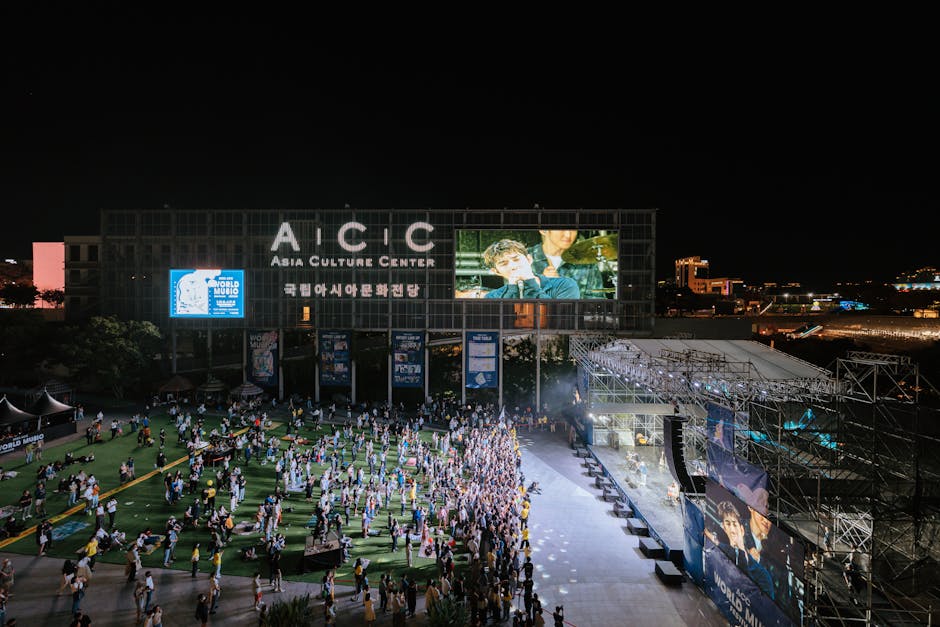
Festival stages are often the largest. Events like Coachella, Tomorrowland, and Glastonbury feature massive setups designed to host thousands of fans at once. These stages are built to handle high energy performances with advanced visuals and sound systems.
Stadium stages are another category. Venues like Wembley Stadium, Madison Square Garden, and the Staples Center host concerts, sports events, and major shows. These locations combine large capacity with controlled environments, making them ideal for high production performances.
Outdoor mega stages are designed for special events. These include large scale concerts, national celebrations, and global broadcasts. They often feature custom built structures that push the limits of stage design.
Award show stages also stand out. Events like the Grammy Awards or the Oscars feature highly detailed stage setups that change throughout the event. While not always the largest in size, they are among the most technically advanced.
Each of these stages serves a different purpose, but all share a common goal. Deliver an unforgettable experience for both live audiences and viewers worldwide.
Why Performing on the Biggest Stages Matters
For performers, stepping onto a massive stage is more than just another show. It represents a milestone in their career.
Visibility is one of the biggest advantages. Performing on a large stage exposes artists to wider audiences. This can lead to new opportunities, collaborations, and increased recognition.
Credibility also increases. Being invited to perform on a major stage signals that an artist has reached a certain level of success. It builds trust with fans and industry professionals.
Creative freedom is another benefit. Large stages allow for more complex performances. Artists can experiment with visuals, choreography, and stage design in ways that smaller venues do not support.
Financial impact is significant as well. Large events often generate higher revenue through ticket sales, sponsorships, and media rights. This makes them important for both artists and organizers.
Audience connection remains central. Despite the scale, the goal is still to create a personal experience. The best performances on big stages are those that make each person in the crowd feel engaged.
At the same time, large stages come with challenges. Technical issues, timing constraints, and high expectations require careful planning and execution. Artists and production teams must work closely to ensure everything runs smoothly.
The evolution of technology continues to shape these stages. Advances in lighting, sound, and digital effects are pushing the boundaries of what is possible. This means future stages will likely become even more immersive and interactive.
In the end, the biggest stages are not just about size. They represent the peak of performance, where creativity, technology, and audience engagement come together. Whether it is a music festival, a stadium concert, or a global broadcast event, these stages continue to define modern entertainment and set new standards for what live experiences can achieve.
