

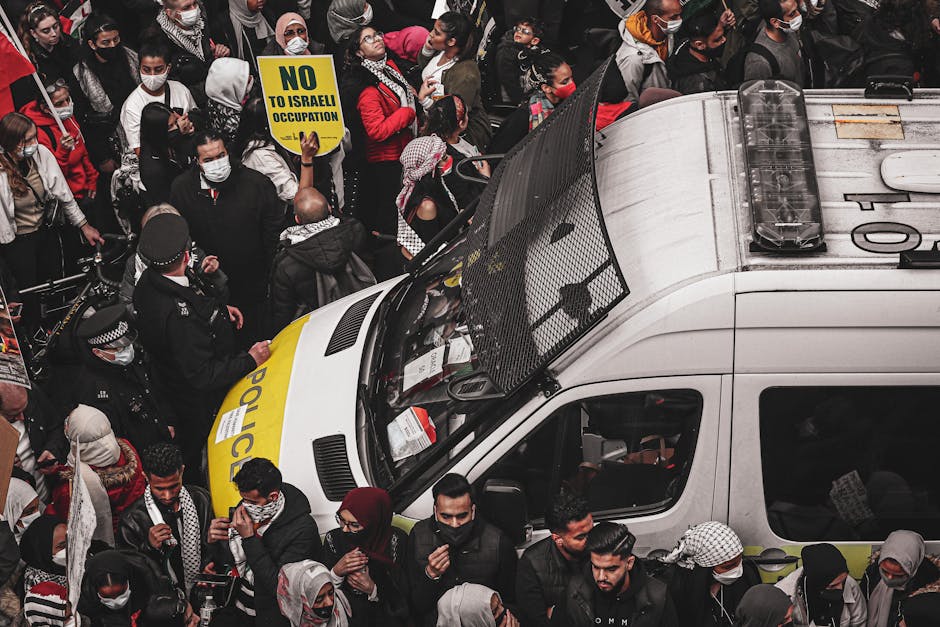

Public Outcry Over U.S.-Israel Military Escalation in Iran
Recent U.S.-Israel strikes targeting Iranian military sites have ignited widespread domestic opposition, with polls showing 68% of Americans oppose the conflict. The backlash mirrors the unpopularity of past wars, including the 2003 Iraq invasion, which also faced immediate public resistance. Critics argue the strikes risk inflaming regional tensions without clear strategic gains, leaving many Americans questioning the decision-making process.
The escalation follows months of heightened rhetoric between Washington and Tehran, with both sides accusing each other of aggression. Despite Israel’s claim of self-defense, the U.S. has provided critical military support, fueling concerns about entanglement in a volatile Middle Eastern conflict.
Analysts warn that the lack of public consensus could erode trust in leadership, particularly as the administration faces mounting pressure to justify its involvement.
Escalation of U.S.-Israel Strikes Sparks Regional Turmoil
Iran’s retaliatory missile attacks on Israeli military bases have intensified fears of a broader war, with regional allies like Hezbollah and Hamas preparing for potential conflict. The U.S. has deployed additional troops to the Persian Gulf, while European allies have called for de-escalation, highlighting the global stakes of the crisis.
Meanwhile, Iranian state media has framed the conflict as a fight for national sovereignty, framing the U.S. as an occupying power. The military buildup has disrupted global oil markets, with fears of supply chain disruptions driving up energy prices.
Diplomatic efforts to broker a ceasefire have stalled, as neither side shows signs of backing down. Meanwhile, the U.S. Congress is debating emergency funding for the war effort, with lawmakers divided over the long-term consequences of prolonged involvement.
Risk of Broader Conflict and Political Fallout Looms
As the conflict drags on, the risk of a full-scale war between major powers has escalated, with experts warning of potential nuclear consequences. The U.S. and Israel’s reliance on covert operations has also drawn criticism for undermining international law and destabilizing the region.
Domestically, the administration faces growing scrutiny over its handling of the crisis, with opposition leaders accusing it of prioritizing foreign interests over public opinion. The humanitarian toll has further complicated the situation, with reports of civilian casualties in both Iran and Israel. International organizations are urging restraint, but the lack of a unified global response has left the conflict in limbo.
As the war enters its third week, the original tension—between national security and public will—remains unresolved, with the world watching for signs of de-escalation or further escalation.
Conclusion
The U.S.-Israel conflict in Iran has exposed a deep rift between military action and public sentiment, with the risk of broader war growing alongside domestic political fallout. As the crisis unfolds, the challenge remains balancing national interests with the will of the American people, a tension that defines the story’s unresolved arc.
Read more: How Michael Jackson proved he was more than just a performer
