

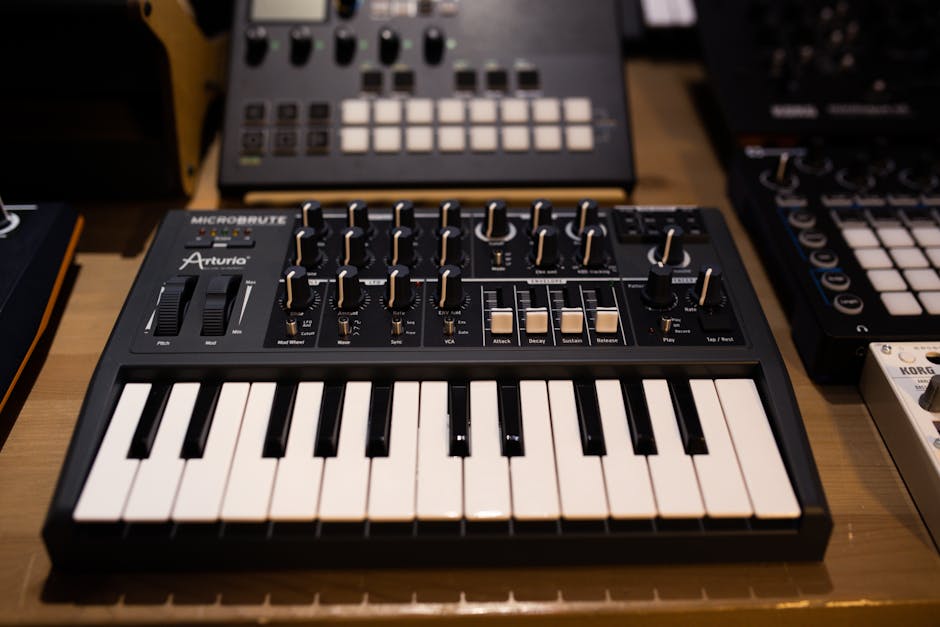
Music production today sits at the intersection of creativity and technology. From bedroom studios to global recording facilities, the way music is made has changed dramatically over the past decades. If you want to explore how music connects with film, streaming culture, and digital audiences, platforms like https://putlockerworld.com/ offer a broader look at how sound and media continue to evolve together.
The foundations of music production and how it works
At its core, music production is the process of creating, recording, arranging, and refining sound into a finished track. It involves both artistic decisions and technical execution.
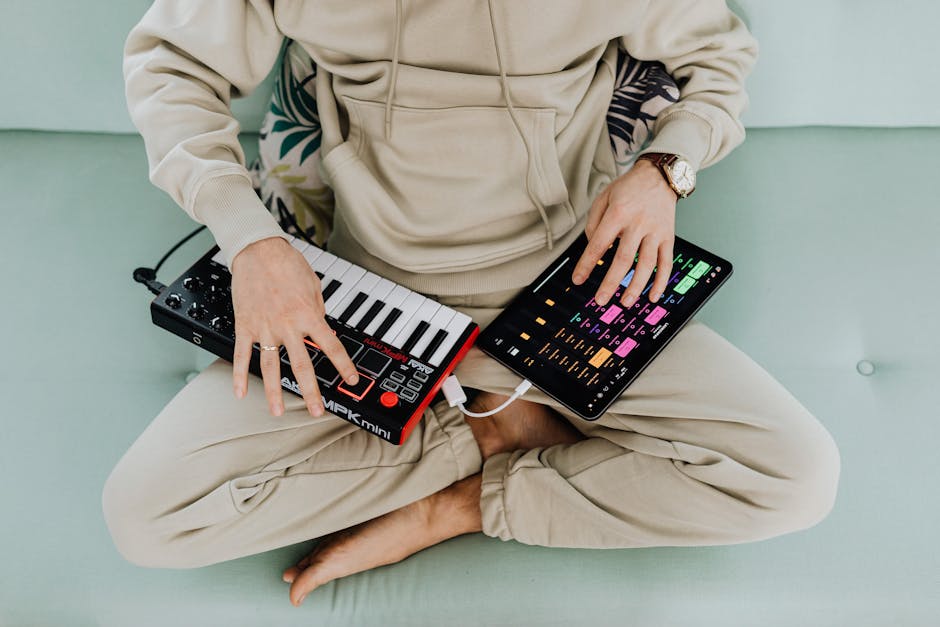
A typical production process follows a clear structure:
- Songwriting or composition
- Recording instruments and vocals
- Editing and arranging tracks
- Mixing to balance sound elements
- Mastering for final output
Each stage plays a critical role. A strong idea can fail without proper mixing. A simple melody can become powerful with the right arrangement.
Producers often act as both creative directors and engineers. They guide the sound, choose instruments, and shape the final experience for the listener.
The role of the producer in modern music
In earlier decades, producers mainly worked behind the scenes. Today, they are often central figures.
A modern producer may:
- Create beats and instrumentals from scratch
- Direct vocal performances
- Collaborate with multiple artists remotely
- Manage digital tools and software
This shift happened because of technology. Digital audio workstations have made it possible for one person to control the entire production process.
Tools and software that define production today
Most music is now created using digital audio workstations, often called DAWs.
Popular tools include:
- Ableton Live for electronic and live performance production
- FL Studio for beat making and hip hop
- Logic Pro for full scale recording and mixing
- Pro Tools for professional studio environments
These tools allow producers to layer sounds, edit timing, and apply effects with precision.
Plugins also play a huge role. They simulate instruments, enhance vocals, and shape sound design.
The evolution of music production from analog to digital
Music production did not always look like this. The industry has gone through several major transitions.
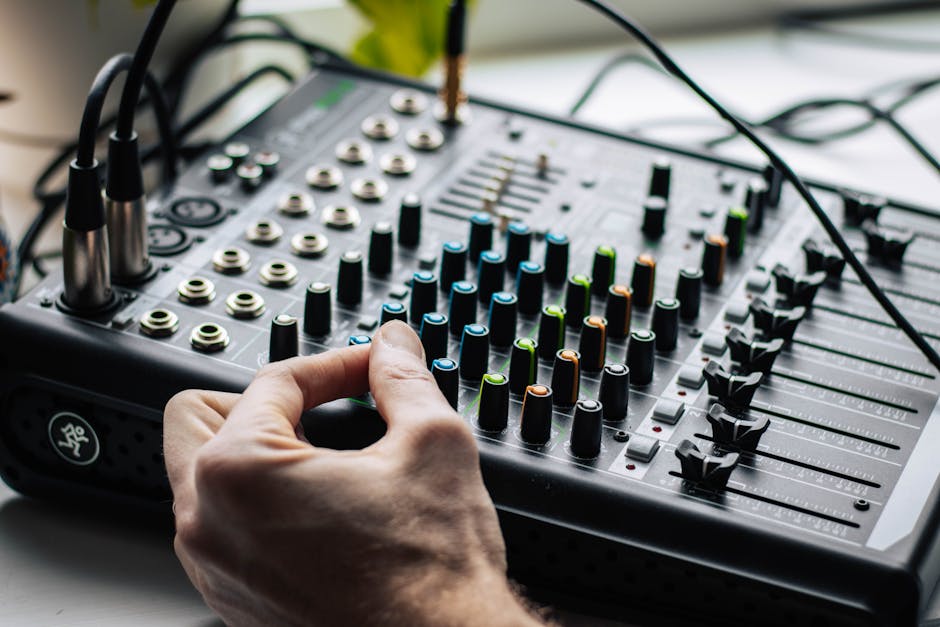
The analog era and its limitations
Before digital tools, music was recorded on tape. This process required physical equipment and large studios.
Limitations included:
- Limited track counts
- Difficult editing processes
- High production costs
Despite these challenges, many classic records were created during this time. The constraints forced musicians to perform with precision.
The digital revolution changed everything
The introduction of digital recording in the late 20th century transformed the industry.
Key changes included:
- Unlimited tracks and layers
- Easier editing and corrections
- Lower production costs
Artists no longer needed expensive studios. A laptop and basic equipment became enough to produce high quality music.
This shift opened the door for independent artists. Many global hits today are produced outside traditional studios.
The rise of home studios and independent creators
Today, you can produce music from your bedroom.
A basic setup includes:
- A computer
- A DAW
- Audio interface
- Microphone
- Studio headphones or monitors
This accessibility has changed the industry structure. Record labels are no longer the only path to success.
Independent artists can produce, distribute, and promote their music on their own.
Key elements that shape a professional sounding track
Creating music is one thing. Making it sound professional is another.
Arrangement and structure matter most
A well structured song keeps listeners engaged.
Producers focus on:
- Intro to capture attention
- Verses to build narrative
- Chorus for impact
- Bridge for variation
Without a clear structure, even good sounds can feel disorganized.
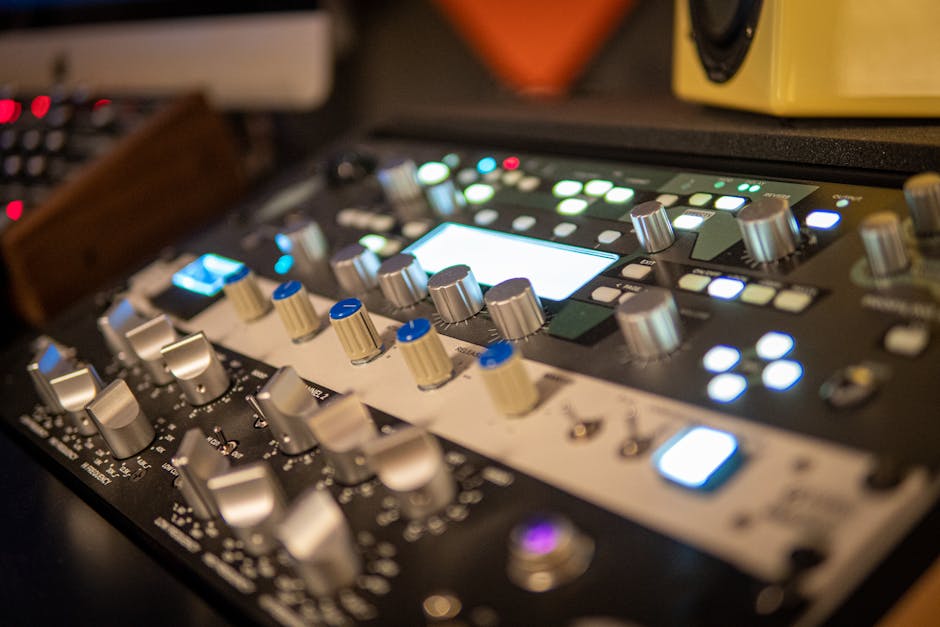
Mixing creates clarity and balance
Mixing is where all elements come together.
Key aspects include:
- Volume balancing
- Equalization to shape frequencies
- Compression to control dynamics
- Reverb and delay for space
A good mix ensures every element can be heard clearly without clashing.
Mastering prepares music for release
Mastering is the final step before distribution.
It ensures:
- Consistent volume across platforms
- Clean sound on different devices
- Professional quality output
Streaming platforms have specific requirements. Mastering helps meet those standards.
How technology continues to shape the future of music production
Music production is still evolving. Technology keeps pushing new boundaries.
Artificial intelligence and automation in production
AI tools are now assisting producers.
They can:
- Generate melodies and chord progressions
- Suggest mixing adjustments
- Automate repetitive tasks
While AI cannot replace creativity, it speeds up workflow.
The influence of streaming platforms on sound
Streaming has changed how music is produced.
Producers now consider:
- Short attention spans
- Strong hooks in the first seconds
- Optimized loudness for streaming services
Songs are often designed to perform well on playlists and algorithms.
Collaboration without physical limits
Artists no longer need to be in the same room.
Remote collaboration allows:
- File sharing across countries
- Real time feedback online
- Global creative partnerships
This has made music more diverse and globally influenced.
Why music production skills matter more than ever
If you are interested in music, understanding production gives you an advantage.
You can:
- Create your own tracks
- Improve sound quality
- Understand how songs are built
Even listeners benefit. You start to hear details you missed before.
Practical tips to start learning production
If you want to begin, keep it simple:
- Choose one DAW and learn it well
- Start with basic beats or melodies
- Study popular songs and break them down
- Practice mixing with simple tracks
Consistency matters more than equipment.
Conclusion
Music production is no longer limited to studios or professionals. It is a skill that blends creativity and technology in a way that is accessible to anyone willing to learn. As tools continue to evolve, the barrier to entry becomes lower, but the demand for quality and originality remains high.
