


Religious music has long played a powerful role in shaping human emotion, belief, and behavior across cultures and generations. Whether you are exploring spiritual traditions or simply looking for calming audio experiences, curated content and media collections like those found on https://putlockerworld.com/ can help you discover how sacred sounds continue to influence modern listeners in meaningful ways.
The historical role of religious music in human society
Religious music is one of the oldest forms of organized sound. It existed long before recorded history, often passed down through oral traditions.

In ancient civilizations, music was closely tied to ritual. It was not separate from daily life. Instead, it was used to connect people with something beyond themselves.
In early Christian traditions, Gregorian chants became a foundation for Western music theory. These chants were simple, structured, and designed to create a sense of unity. The repetition and tone helped listeners focus inward.
In Islamic cultures, the melodic recitation of the Quran demonstrates how sound can enhance meaning without instruments. The human voice becomes the central medium.
In Hindu traditions, bhajans and mantras are used for meditation and devotion. These songs often rely on repetition, which helps the mind settle and concentrate.
Across all these traditions, one thing remains consistent. Religious music is not created for entertainment alone. It serves a purpose. It guides emotion, strengthens belief, and creates shared experiences.
Why sacred music was essential in early communities
Before modern communication, music was a way to bring people together.
- It helped communities remember stories and teachings
- It reinforced cultural identity
- It created a shared emotional space
When people gathered for rituals, music made the experience more immersive. It allowed individuals to feel part of something larger.
The transition from ritual to recorded music
With the invention of recording technology, religious music expanded beyond temples and churches.
Now, you can listen anywhere. This shift changed how people engage with spiritual content. It became more personal. You no longer needed to attend a gathering to experience it.
However, the core purpose remains the same. It still aims to connect, calm, and guide.
The psychological and emotional effects of religious music
Listening to religious music affects your brain in measurable ways. Studies have shown that certain types of music can reduce stress, improve focus, and stabilize mood.

Religious music often uses slow tempos and repetitive patterns. These elements influence how your brain processes sound.
How it reduces stress and anxiety
When you listen to calm, structured music, your body responds.
- Heart rate slows down
- Breathing becomes more steady
- Muscle tension decreases
Religious music amplifies this effect because it often carries meaning. It is not just sound. It is associated with belief, comfort, and safety.
For many people, this creates a deeper level of relaxation.
The role of repetition in mental clarity
Many religious songs use repetition. This is not random.
Repetition helps your brain focus. It reduces mental noise. When you hear the same phrase or melody multiple times, your thoughts begin to settle.
This is similar to meditation. The mind stops jumping between ideas and becomes more centered.
Emotional connection and memory
Religious music often becomes tied to personal memories.
You might associate a specific song with:
- A family tradition
- A place of worship
- A meaningful life event
These connections make the music more powerful. When you hear it again, it triggers those memories.
This is why people often feel strong emotions when listening to sacred songs, even years later.
Why even non-religious listeners benefit
You do not need to follow a religion to feel the effects.
The structure of the music alone can create calmness and focus. Many people use religious music as background audio for studying, working, or relaxing.
The benefit comes from the sound patterns, not just the belief system.
The modern relevance of religious music in a digital world
In today’s fast-paced environment, people are constantly exposed to noise. Notifications, social media, and constant updates create mental overload.
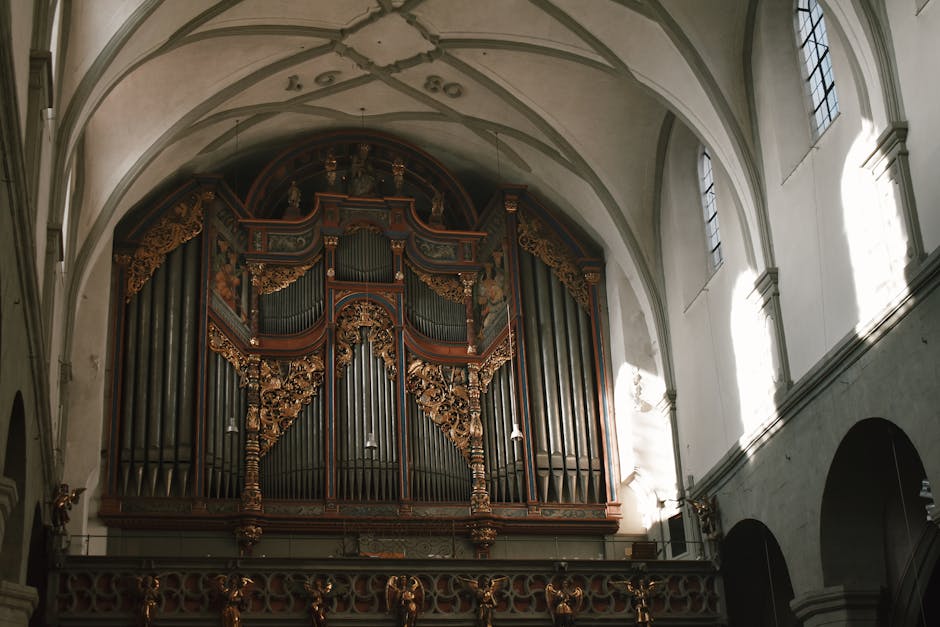
Religious music offers a contrast. It slows things down.
Streaming and accessibility
You now have access to thousands of religious tracks from different cultures.
This allows you to explore:
- Gregorian chants
- Gospel music
- Islamic recitations
- Buddhist chants
- Hindu devotional songs
Each style offers a different experience, but the goal is similar. It creates space for reflection.
Integration into daily routines
Many people use religious music in simple ways:
- Morning routines to start the day calmly
- Background music while working
- Evening listening to unwind
This is not about strict practice. It is about creating moments of quiet in a busy day.
The influence on modern music genres
Religious music has also shaped modern genres.
You can hear its influence in:
- Gospel roots in R&B and soul
- Chant-like structures in electronic music
- Choir elements in cinematic soundtracks
Even artists who are not religious often borrow these elements because they create emotional depth.
Why it remains relevant today
Despite changes in technology and culture, the need for calm and meaning has not changed.
Religious music continues to provide:
- A sense of stability
- Emotional grounding
- A break from constant stimulation
This is why it continues to grow in popularity, even among younger audiences.
Conclusion
Religious music is more than tradition. It is a tool that shapes how you feel, think, and connect with the world around you. Whether you listen for spiritual reasons or simply for calm, its impact is clear and lasting.
