


Music did not begin in a studio or on a stage. It started long before written language, shaped by early human expression and survival. If you want to explore how ancient sound connects to modern media and storytelling, platforms like https://putlockerworld.com/ offer a space where music, film, and culture continue to evolve together in ways that reflect both history and innovation.
The earliest evidence of music in prehistoric times
Long before records or notation, humans were already creating sound with purpose. Archaeological discoveries show that music may date back over 40,000 years.
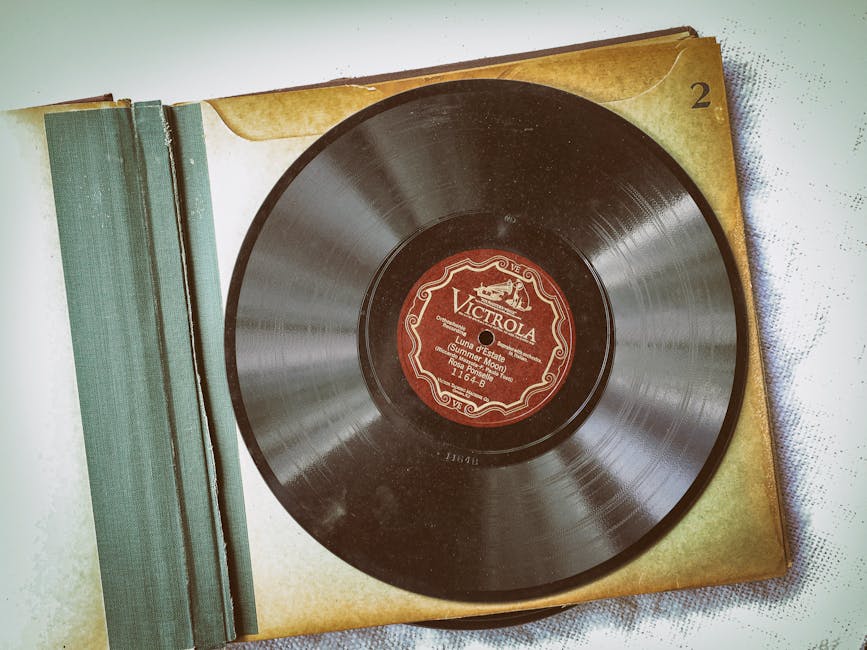
One of the most important findings is the bone flute discovered in a cave in present day Germany. This instrument, made from bird bone and mammoth ivory, suggests that early humans had already developed a sense of pitch and rhythm.
These early instruments were simple but meaningful:
- Bone flutes carved with precise holes
- Drums made from animal skins stretched over wood
- Stones used for rhythmic striking
Music likely played a role in rituals, communication, and social bonding. It was not entertainment in the modern sense. It was survival and identity.
Anthropologists believe early humans used rhythm to coordinate group activities like hunting or gathering. Repetition helped memory. Sound helped connection.
There is also evidence that voice was the first instrument. Before tools, humans used chanting, humming, and vocal patterns to create structured sound. This suggests that music and language may have evolved together.
Why prehistoric music mattered
Music in this period was functional. It had clear purposes:
- Strengthening group cohesion
- Supporting rituals and ceremonies
- Passing knowledge through sound patterns
Even without written records, the presence of instruments shows intention. These were not random sounds. They were organized expressions.
The development of music in ancient civilizations
As societies grew, music became more structured. Ancient civilizations began to formalize sound into systems.

In Mesopotamia, one of the earliest known musical notations was discovered on clay tablets. These tablets contained instructions for tuning instruments and performing melodies.
In ancient Egypt, music was closely tied to religion. Instruments like harps, lyres, and flutes were used in ceremonies and royal events.
Common instruments from this era included:
- Lyres made from wood and animal gut strings
- Harps with multiple strings for layered sound
- Percussion instruments for rhythm
Music was no longer just instinctive. It became organized.
The first written music in history
One of the most significant discoveries is the Hurrian Hymn No. 6. This piece, found in modern Syria, is considered the oldest known written song.
It dates back to around 1400 BCE and includes both lyrics and musical instructions. While scholars still debate the exact melody, the structure shows clear intent to preserve music across time.
This marks a major shift. Music moved from oral tradition to recorded knowledge.
Music in ancient Greece and its influence
Ancient Greece played a key role in shaping music theory.
Philosophers like Pythagoras studied the relationship between sound and mathematics. He discovered that musical intervals could be expressed as numerical ratios.
This led to the development of scales and tuning systems that still influence music today.
Greek music also introduced the idea that music could affect emotion and behavior. This concept is still central in modern composition and film scoring.
How early music shaped modern sound
The transition from ancient to modern music was gradual. Each era added new layers.
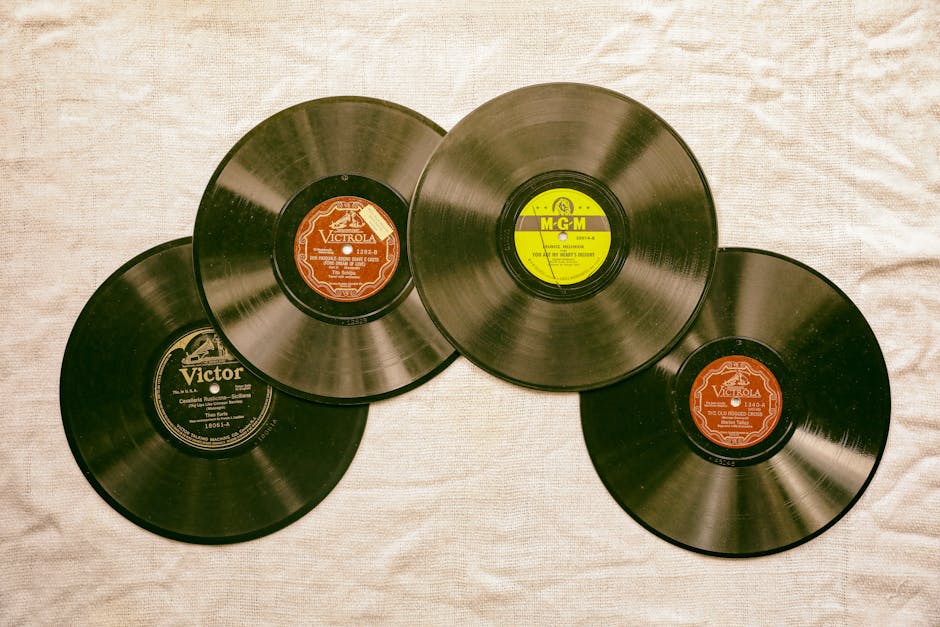
From oral tradition to notation
The invention of notation allowed music to be shared across generations without relying on memory.
This led to:
- More complex compositions
- Standardization of scales
- Expansion of musical forms
Without notation, modern music as you know it would not exist.
From ritual to entertainment
Early music served practical purposes. Over time, it became a form of art and entertainment.
This shift happened as societies stabilized and had more time for creativity.
Music moved into:
- Public performances
- Theaters and courts
- Cultural celebrations
From simple tools to advanced instruments
Instruments evolved alongside technology.
Early flutes and drums led to:
- String instruments with refined tuning
- Wind instruments with controlled airflow
- Keyboards and later electronic instruments
Each innovation expanded what music could express.
Why the origin of music still matters today
Understanding where music comes from helps you appreciate what you hear now.
Modern songs still rely on:
- Rhythm patterns developed thousands of years ago
- Scales based on ancient mathematical principles
- Emotional storytelling rooted in early human expression
Even digital music follows structures that began in prehistoric times.
A simple way to connect past and present music
If you want to experience this evolution, try this approach:
- Listen to traditional tribal music to understand rhythm origins
- Explore ancient instruments like lyre or flute recordings
- Compare them with modern songs to hear similarities
You will notice patterns that repeat across time.
Conclusion
The story of the first music in history is not about a single invention. It is about a continuous human need to create sound and meaning. From bone flutes to digital production, music has always reflected how people live, feel, and connect. When you listen to any song today, you are hearing echoes of the very first sounds humans ever made.
