

Polymarket Bets Now Embed in Google News, Reshaping Information Flow
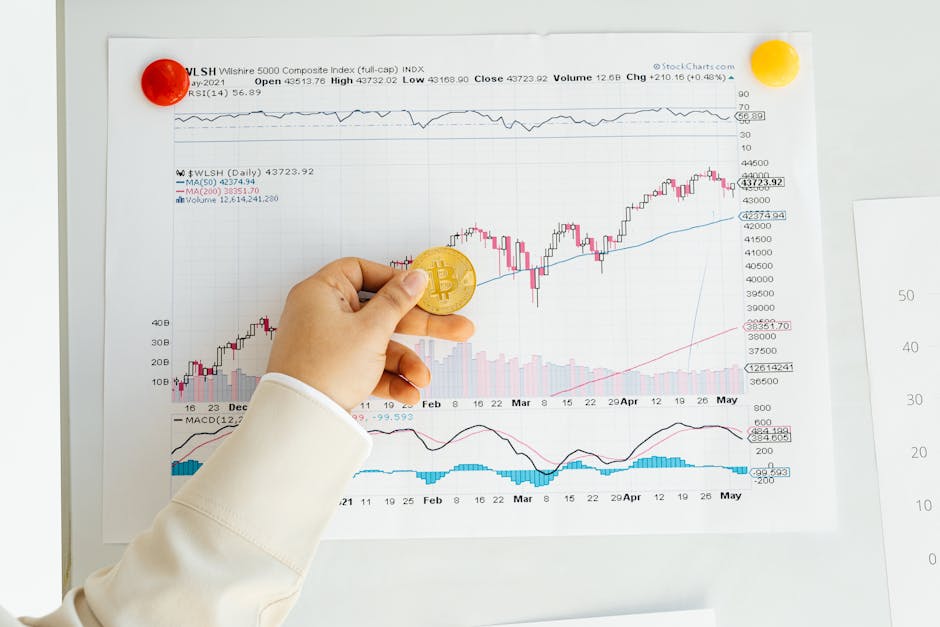
Google News has begun embedding Polymarket bets directly into its platform, blending financial predictions with traditional news articles. These bets, often displayed in the “For you” section or the home page, appear as prominent blocks with links to gambling opportunities. In one instance, a Bitcoin price prediction dominated the top result, illustrating how algorithmic curation now prioritizes speculative content over verified reporting.
Users searching for geopolitical updates, such as the Strait of Hormuz, now encounter both credible news sources and Polymarket bets on related outcomes, creating a hybrid information landscape. The integration extends beyond personalized feeds, with bets surfacing in general search results and even within dedicated News sections. A January report highlighted how a search for “will ships transit the strait” returned Financial Times and Reuters alongside a Polymarket bet on oil passage volumes.
This deliberate placement suggests a strategic effort to amplify prediction market visibility, though Google has not confirmed the timeline or intent behind the change. The move has sparked debate over the platform’s role in shaping public discourse. Critics argue that Google’s algorithms, designed to prioritize engagement, now favor content that generates constant updates—such as Polymarket’s dynamic bets—over static news articles.
Strategic Partnerships and Algorithmic Incentives Fuel the Integration
Google’s decision to include Polymarket bets aligns with its November partnership with the prediction market and Kalshi, which aimed to feed their data into Google’s finance platform. While the connection between this deal and the News integration remains unclear, the technical infrastructure suggests a shared interest in monetizing real-time data. Polymarket’s bets, which generate thousands of updated pages daily, are algorithmically attractive as they mimic the structure of news stories, offering a veneer of credibility while serving commercial purposes.
The partnership also reflects broader efforts by prediction markets to legitimize their image. Kalshi recently collaborated with CNN to provide live betting data during news broadcasts, while Polymarket partnered with Dow Jones to integrate its predictions into The Wall Street Journal. These alliances aim to position prediction markets as analytical tools rather than gambling platforms, a narrative that Google’s inclusion of Polymarket bets now seemingly endorses.
However, the integration raises ethical questions about data transparency. Users navigating Google News may struggle to distinguish between verified reporting and speculative wagers, undermining the platform’s role as a trusted information source. The algorithm’s preference for dynamic, ever-changing content further entrenches this ambiguity, complicating efforts to maintain journalistic integrity.
Controversies and Risks Highlight the Tension Between Prediction Markets and Journalism
Despite claims of analytical value, prediction markets have faced scrutiny for their role in spreading misinformation. Polymarket has been criticized for using journalistic language to promote bets that often lack factual grounding, such as those predicting geopolitical outcomes. A January scandal saw an anonymous user profit over $400,000 by wagering on Venezuela’s president being ousted, just hours before U.S.
troops detained him. The possibility of government ties to the bet fueled accusations of insider trading, casting doubt on the platform’s neutrality. The risks extend to global security, as seen in March when Polymarket quietly removed a bet on nuclear weapon detonation—a move interpreted as incentivizing conflict.
This follows President Trump’s recent threats against Iran, which underscored the real-world stakes of such bets. Critics argue that prediction markets can distort public perception, with their financial incentives potentially influencing events rather than merely reflecting them. As Google News amplifies Polymarket’s visibility, the tension between gambling and journalism intensifies.
Conclusion
Google News’ embrace of Polymarket bets marks a pivotal shift in how information is curated and consumed, challenging the boundaries between journalism and gambling. As prediction markets gain algorithmic favor, the broader implications for public trust and media ethics remain unresolved, leaving users to navigate a landscape where speculation and news are increasingly indistinguishable.
See related coverage: Scientist Advises Against Skipping Breakfast for Weight Loss, Citing Health Risks and Nutritional Benefits
