


Electronic music often gets defined by beats and drops, but few artists explore silence and subtlety as effectively as Bonobo. His work stands out not for what is loud, but for what is left unsaid between the notes. If you want to explore how music, film, and storytelling blend into immersive experiences, you can find curated content and sound-driven narratives on https://putlockerworld.com/ where audio meets visual culture in a meaningful way.
The evolution of Bonobo and his signature sound
Simon Green, known globally as Bonobo, began his career in the early 2000s within the UK downtempo scene. At that time, electronic music was often categorized into rigid genres. Bonobo did something different. He blurred lines.

Early albums like Animal Magic and Dial M for Monkey introduced a mix of organic instrumentation and electronic textures. Instead of relying on synthetic loops alone, he layered real instruments such as guitar, strings, and percussion.
This approach created a sound that felt human. It was electronic, but not cold.
His breakthrough came with Black Sands in 2010. This album refined his identity. Tracks like “Kiara” and “Eyesdown” showed a balance between rhythm and atmosphere. You could hear movement, but also space.
By the time Migration released in 2017, Bonobo had developed a global sound. He incorporated influences from jazz, world music, and ambient. The album was nominated for a Grammy, confirming his place in modern electronic music.
What defines Bonobo’s sound
You can break it down into a few key elements:
- Organic instruments layered with electronic beats
- Emphasis on mood over structure
- Subtle transitions instead of abrupt changes
- Use of silence as part of composition
This last point matters most. Silence is not empty in Bonobo’s music. It is intentional.
The concept of space and silence in modern electronic music
In many mainstream tracks, every second is filled. Producers aim to keep energy high. Bonobo takes the opposite route.

He builds tension by pulling back.
Why space matters in music
When a track gives you room to breathe, you notice more details. A soft piano note. A distant vocal. A fading reverb.
Bonobo uses space to guide attention. Instead of overwhelming the listener, he creates layers you can explore.
This technique connects with listeners on a deeper level. It feels immersive, almost cinematic.
You are not just hearing music. You are inside it.
The role of minimalism in his compositions
Bonobo’s tracks rarely rely on heavy drops. Instead, they evolve slowly.
A typical structure might look like this:
- A simple melodic introduction
- Gradual layering of percussion
- Subtle variation over time
- A controlled fade rather than a dramatic ending
This creates continuity. The music flows rather than peaks.
It also makes his tracks timeless. Without relying on trends, they age well.
Live performances and spatial experience
Bonobo’s live shows highlight this concept even more.
He often performs with a full band. This adds depth and unpredictability.
Instead of a DJ set focused on transitions, his performances feel like concerts.
Sound is spread across instruments:
- Live drums add texture
- Brass sections bring warmth
- Vocals introduce emotional contrast
The result is dynamic but controlled. Each element has space.
The spaces between and their cultural impact
Bonobo’s approach has influenced a generation of producers.
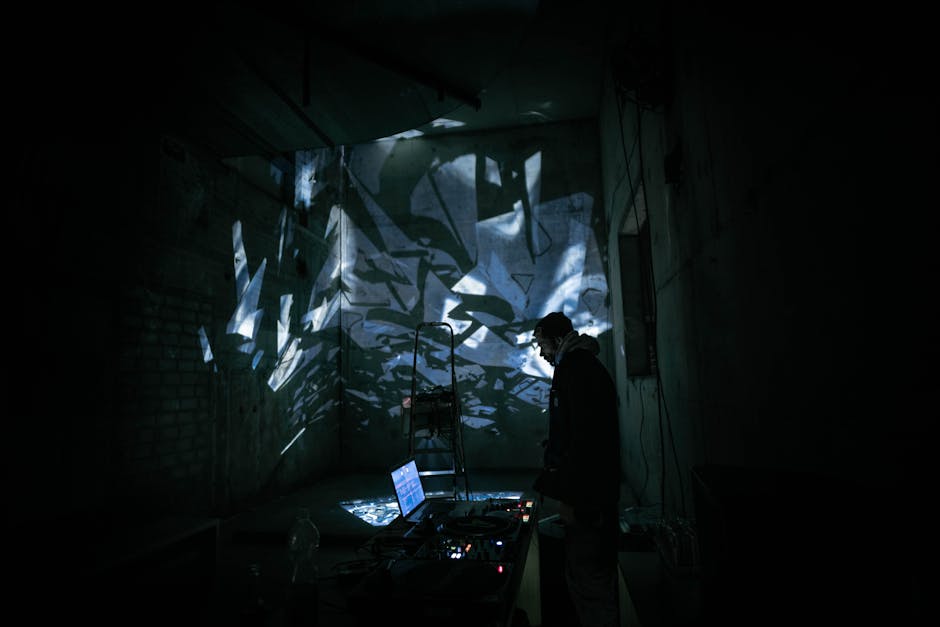
Artists across genres now focus more on atmosphere. You can hear similar techniques in chill electronic, lo-fi, and even film scores.
Influence on modern producers
Many newer artists adopt these ideas:
- Using fewer elements to create clarity
- Prioritizing mood over complexity
- Blending acoustic and electronic sounds
Streaming platforms have amplified this trend. Playlists focused on focus, relaxation, and ambient listening favor this style.
Bonobo fits perfectly into this ecosystem, but he helped shape it before it became mainstream.
Connection with film and visual storytelling
Bonobo’s music often feels cinematic. This is not accidental.
His tracks have been used in films, documentaries, and commercials. The reason is simple. They create atmosphere without distracting from visuals.
You can imagine scenes while listening:
- Wide landscapes
- Slow-motion movement
- Emotional transitions
This makes his work valuable beyond music alone.
The listener experience in a fast-paced world
Today, attention spans are shorter. Content is faster. Music is often designed for quick impact.
Bonobo offers an alternative.
His music encourages you to slow down. To listen actively.
That shift matters. It creates a different relationship with sound.
Instead of background noise, it becomes a space for reflection.
Why Bonobo’s approach still matters today
Music trends change quickly, but certain principles remain.
Bonobo’s focus on space, balance, and subtlety continues to resonate because it taps into something basic. People need contrast.
In a world filled with constant stimulation, quieter moments stand out more.
If you explore his discography, you will notice consistency. He does not chase trends. He refines ideas.
That is why his work remains relevant across decades.
His music is not tied to a specific era. It exists in those spaces between genres, between sounds, and between moments.
Conclusion
Bonobo’s music shows that what you leave out can matter more than what you include. By focusing on space and subtle detail, he creates tracks that feel immersive and timeless. In a crowded music landscape, that restraint is what makes his work stand apart.
